-
Shop
- Adidas
- Advanced Technologies
- AI Skills
- Armani Fashion
- Beauty
- Best Sellers
- Calvin Klein Fashion
- Car Accessories
- Car Buying & Ownership
- Car Electronics
- Confidence
- Dating & Social Skills
- Denim
- 7FOR
- AGOLDE
- Antony Morato
- Armani Exchange
- Boss
- Brunello Cucinelli
- Calvin Klein Jeans
- Costume National
- Desigual
- Diesel
- Dolce & Gabbana
- Dsquared²
- Ermanno Scervino
- Fendi
- Gianni Lupo
- Guess Jeans
- Ichi
- Just Cavalli
- Lee
- Levi's
- Liu Jo
- Morgan De Toi
- Mother Denim
- Only
- Pepe Jeans
- Pinko
- Replay
- Tommy Hilfiger Jeans
- Valentino
- Vero Moda
- Education & Learning
- Family & Parenting
- Fashion
- Alexander McQueen
- Bags
- Bags & Wallets
- Balenciaga
- Belts
- Blazers
- Blouses & Shirts
- Bottega Veneta
- Brunello Cucinelli
- Burberry
- Chanel
- Chloé
- Dior
- Dolce & Gabbana
- Dresses
- Etro
- Gucci
- Hats & Hair Accessories
- Hoodies & Sweatshirts
- Jewelry
- Jil Sander
- Jimmy Choo
- Keychains
- Kiton
- Luggage
- Luggage Bags
- Miu Miu
- Off-White
- Outerwear
- Prada
- Rick Owens
- Saint Laurent
- Shoe Accessories
- Socks & Tights
- Sunglasses
- Sweaters & Cardigans
- The Row
- Tom Ford
- Valentino Garavani
- Versace
- Vivienne Westwood
- Watches
- Fashion Accessories
- Financial Education
- Furniture
- Furniture & Decor
- Gadgets
- Gadgets & Electronics
- Guess Fashion
- Health & Beauty
- Health & Wellness
- Home & Garden
- Home Styling & Organization
- Home Supplies
- Interior Accessories
- Kids & Babies
- Kitchen & Dining
- Lighting
- Mindset
- Nike
- Outdoors
- Parenting & Child Development
- Patio, Lawn & Garden
- Personal Growth
- Personal Style & Fashion
- Pet Care
- Pet Lifestyle & Wellness
- Pet Supplies
- Pets
- Road Trip Accessories
- Shoes
- Special Deals
- Sport & Outdoors
- Storage & Organization
- Summer 2025 Fashion Collection
- Super Deals
- Tommy Hilfiger Fashion
- Travel
- Travel & Adventure
- Wealth
- Wealth Building
- Budgeting & Saving
- Cryptocurrency Investing
- Debt Management
- Entrepreneurship & Business Growth
- Family Finance & Budgeting
- Financial Independence
- Financial Mindset & Psychology
- Financial Planning
- Frugal Living & Expense Hacks
- Goal Setting
- High-Income Skills
- Investing Basics
- Leadership
- Networking & Mentorship
- Passive Income Strategies
- Real Estate Investing
- Side Hustles
- Stock Market Investing
- Wellness
- Winter Fashion
- YouTube Shorts Best-Sellers
- Popular
- Best deals
Trunk Organizer & Backseat Storage Bag: Less Mess, More Safety
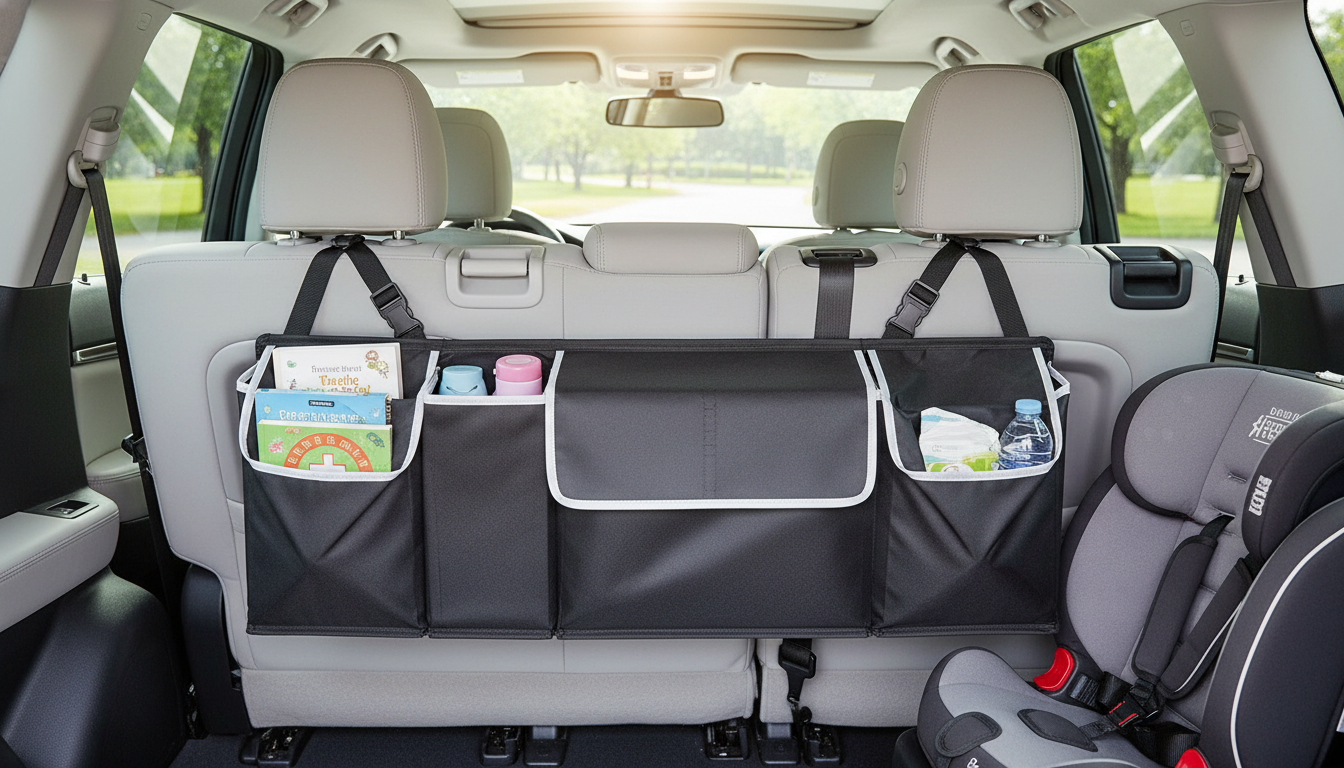
Car Trunk Organizer & Backseat Storage Bag for Cleaner, Safer Everyday Driving
Loose groceries, toys, sports gear, and emergency supplies can slide, spill, and get buried fast. A trunk organizer and backseat storage bag creates dedicated zones for daily essentials, keeps items from rolling around, and makes loading, unloading, and cleanup noticeably easier. It’s a simple upgrade that helps a vehicle feel calmer and more controlled—especially during quick braking, tight turns, and busy errand days.
What This Organizer Helps With Day to Day
Most car clutter isn’t about having “too much stuff”—it’s about not having a consistent place to put it. A trunk organizer and backseat storage bag solves that by turning open floor space into compartments, pockets, and grab-and-go sections.
- Reduces rolling and shifting of bottles, bags, and tools during turns and braking
- Creates predictable “homes” for common items like jumper cables, wipes, umbrellas, and snacks
- Helps keep the backseat floor and trunk clearer for passengers and larger cargo
- Speeds up errands by making frequently used items easy to spot and grab
- Supports a cleaner interior by separating muddy, wet, or spill-prone items from fabrics
Safety also improves when loose items are contained. Sudden stops can send unsecured objects forward, which is why organizations like the NHTSA emphasize keeping items secured in the vehicle.
Trunk Storage vs Backseat Storage: Where Each Makes the Most Sense
Using both zones strategically makes the biggest difference. The trunk can handle heavier and messier supplies, while a backseat storage bag can hold “during the drive” essentials that shouldn’t require pulling over and opening the hatch.
- Trunk zone: best for heavier, less frequently accessed items (tools, emergency kit, bulk groceries)
- Backseat zone: best for items needed during the drive (tissues, chargers, kids’ activities, small snacks)
- Keeping a “quick-access” backseat kit can prevent repeated stops and rummaging through the trunk
- Separating clean/dry items from wet/dirty items helps prevent odors and stains
Quick placement guide for common car items
| Item | Best Location | Why |
|---|---|---|
| Jumper cables / tire inflator | Trunk | Kept out of the way but always available |
| Groceries (fragile items) | Trunk organizer section | Reduces tipping and crushing |
| Water bottle, wipes, tissues | Backseat storage | Easy reach during stops |
| Kids’ books/toys | Backseat storage | Contains clutter and keeps floor clear |
| Umbrella / light jacket | Backseat or trunk edge | Quick grab for sudden weather |
| Cleaning supplies (microfiber, spray) | Trunk | Prevents leaks near seating fabrics |
Key Features to Look For Before Buying
Not every organizer works the same in every vehicle. The best choice is the one that stays put, matches your routine, and makes it easier to maintain order without extra effort.
- Compartment design: A mix of larger bays and smaller pockets helps separate bulky gear from small items that get lost.
- Stability: An anti-slip base, tie-down points, or straps helps prevent sliding, especially on carpeted or smooth trunk liners.
- Material: Durable fabric with easy-to-wipe surfaces handles spills, dust, and pet hair with less hassle.
- Carry options: Handles or a collapsible build makes it simpler to move items from car to garage, apartment, or hotel room.
- Capacity fit: Choose a size that matches your trunk footprint and typical load so it doesn’t crowd out strollers, luggage, or weekly groceries.
For broader driving and preparedness guidance (including what to keep in your car), resources from AAA can be useful.
Smart Setup Ideas for Errands, Road Trips, and Family Cars
A good organizer works best with a simple system. Instead of rearranging every time you load the car, set a few repeatable categories that fit your real driving habits.
- Create three categories: “Emergency,” “Daily,” and “Messy” (wet shoes, sports gear, sand toys).
- Pack a small backseat kit: Tissues, wipes, trash bags, a charger, and a spare snack to avoid rummaging mid-trip.
- Use one compartment as a “return bin”: Library books, returns, and drop-offs live in one place until they leave the car.
- For groceries: Dedicate one section to cold items and keep a reusable cooler bag inside so it’s always ready.
- Do a 60-second reset: After each trip, put items back into their zones to prevent buildup.
If you routinely drive with kids, pairing an organizer with a small “quiet activity” option can reduce clutter and keep items contained. For example, a travel-friendly build like the 3D Puzzle Scout Beetle can ride in a backseat bag so it isn’t scattered across the seat and floor.
Care and Maintenance for Long-Lasting Use
Car storage products last longer when they’re treated like a washable, regularly used tool—because that’s what they are. Quick upkeep also prevents lingering smells from wet gear or spilled groceries.
Car Trunk Organizer & Backseat Storage Bag: Practical Fit for Everyday Storage
For a straightforward option you can add to your routine quickly, see the Car Trunk Organizer & Backseat Storage Bag.
FAQ
Will a trunk organizer stop groceries from tipping over?
It can significantly reduce tipping by separating bags into compartments and limiting side-to-side movement. For best results, place heavier items low, keep fragile items upright, and fill empty space so bags can’t slide.
Is it safe to keep loose items in the backseat area?
Loose items can become projectiles during sudden stops, so it’s safer to keep them contained in a backseat storage bag. Avoid placing heavy objects loosely on seats where they could fly forward.
How do you keep a trunk organizer from sliding around?
Non-slip bottoms, hook-and-loop grips, and tie-down straps help prevent movement. Positioning it flush against a trunk wall and distributing weight evenly also improves stability.


