-
Shop
- Adidas
- Advanced Technologies
- AI Skills
- Armani Fashion
- Beauty
- Best Sellers
- Calvin Klein Fashion
- Car Accessories
- Car Buying & Ownership
- Car Electronics
- Confidence
- Dating & Social Skills
- Denim
- 7FOR
- AGOLDE
- Antony Morato
- Armani Exchange
- Boss
- Brunello Cucinelli
- Calvin Klein Jeans
- Costume National
- Desigual
- Diesel
- Dolce & Gabbana
- Dsquared²
- Ermanno Scervino
- Fendi
- Gianni Lupo
- Guess Jeans
- Ichi
- Just Cavalli
- Lee
- Levi's
- Liu Jo
- Morgan De Toi
- Mother Denim
- Only
- Pepe Jeans
- Pinko
- Replay
- Tommy Hilfiger Jeans
- Valentino
- Vero Moda
- Education & Learning
- Family & Parenting
- Fashion
- Alexander McQueen
- Bags
- Bags & Wallets
- Balenciaga
- Belts
- Blazers
- Blouses & Shirts
- Bottega Veneta
- Brunello Cucinelli
- Burberry
- Chanel
- Chloé
- Dior
- Dolce & Gabbana
- Dresses
- Etro
- Gucci
- Hats & Hair Accessories
- Hoodies & Sweatshirts
- Jewelry
- Jil Sander
- Jimmy Choo
- Keychains
- Kiton
- Luggage
- Luggage Bags
- Miu Miu
- Off-White
- Outerwear
- Prada
- Rick Owens
- Saint Laurent
- Shoe Accessories
- Socks & Tights
- Sunglasses
- Sweaters & Cardigans
- The Row
- Tom Ford
- Valentino Garavani
- Versace
- Vivienne Westwood
- Watches
- Fashion Accessories
- Financial Education
- Furniture
- Furniture & Decor
- Gadgets
- Gadgets & Electronics
- Guess Fashion
- Health & Beauty
- Health & Wellness
- Home & Garden
- Home Styling & Organization
- Home Supplies
- Interior Accessories
- Kids & Babies
- Kitchen & Dining
- Lighting
- Mindset
- Nike
- Outdoors
- Parenting & Child Development
- Patio, Lawn & Garden
- Personal Growth
- Personal Style & Fashion
- Pet Care
- Pet Lifestyle & Wellness
- Pet Supplies
- Pets
- Road Trip Accessories
- Shoes
- Special Deals
- Sport & Outdoors
- Storage & Organization
- Summer 2025 Fashion Collection
- Super Deals
- Tommy Hilfiger Fashion
- Travel
- Travel & Adventure
- Wealth
- Wealth Building
- Budgeting & Saving
- Cryptocurrency Investing
- Debt Management
- Entrepreneurship & Business Growth
- Family Finance & Budgeting
- Financial Independence
- Financial Mindset & Psychology
- Financial Planning
- Frugal Living & Expense Hacks
- Goal Setting
- High-Income Skills
- Investing Basics
- Leadership
- Networking & Mentorship
- Passive Income Strategies
- Real Estate Investing
- Side Hustles
- Stock Market Investing
- Wellness
- Winter Fashion
- YouTube Shorts Best-Sellers
- Popular
- Best deals
Electric Abdomen Massager for Tension, Cramps & Relief
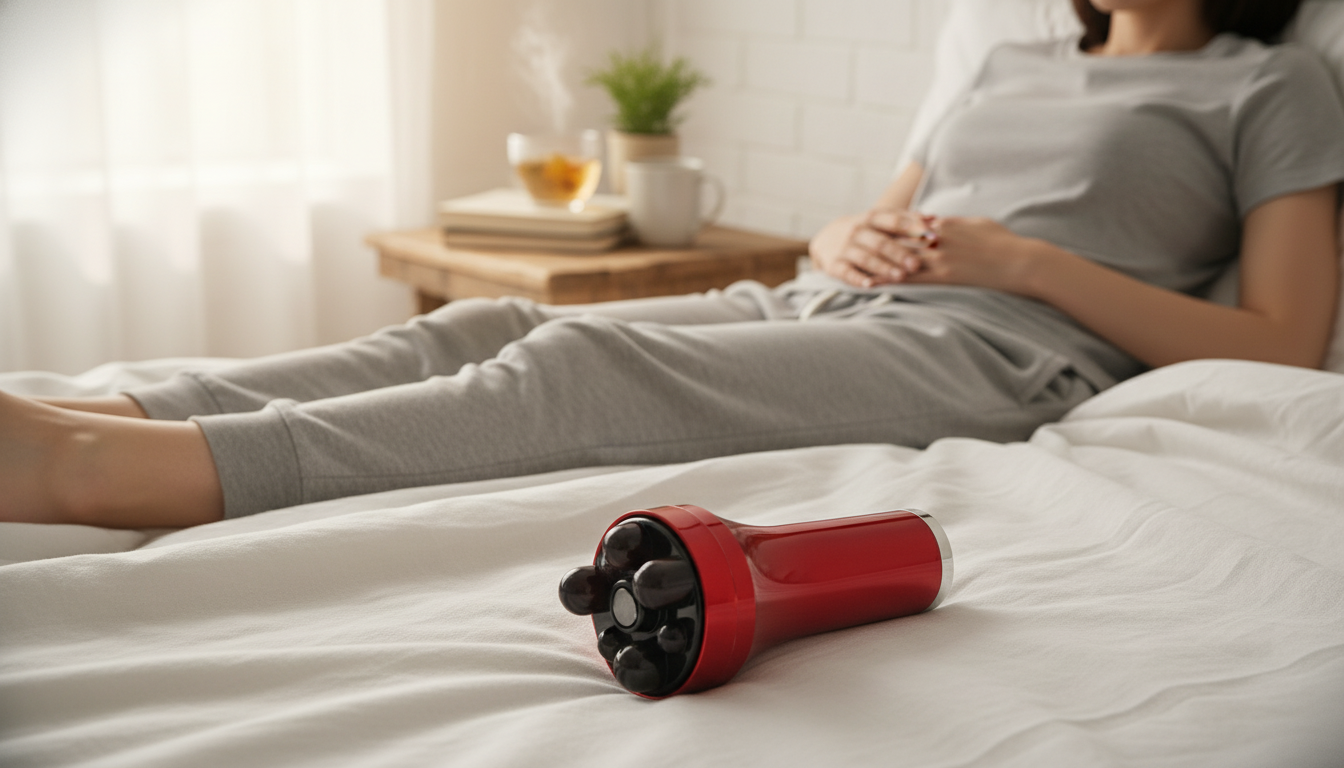
Electric Abdomen Massager: Everyday Relief for Tension, Cramps, and Posture Fatigue
An electric abdomen massager is designed to deliver consistent, hands-free stimulation across the midsection to help ease tightness from sitting, workout soreness, and everyday abdominal tension. Used as part of a simple routine, it can support relaxation, comfort during menstrual cramping, and a calmer body after long hours at a desk or on the move. For more guidance, see The Effects of Abdominal Massage on Functional (Primary) Chronic ….
What an Electric Abdomen Massager Does
When the core stays “switched on” all day—during driving, desk work, lifting, or stress—it’s common to feel a tired, braced sensation through the midsection. An electric abdomen massager helps create a more repeatable relaxation experience than manual massage alone, especially when hands get tired or it’s hard to maintain steady pressure. For further reading, see Comparisons between Manual Lymph Drainage, Abdominal Massage.
- Provides steady, repeatable stimulation that can be difficult to maintain with manual massage
- Encourages muscle relaxation in the abdominal area after exercise, prolonged sitting, or stress-related bracing
- Can be used while reclining or seated, making short sessions easier to fit into a routine
- Often chosen for comfort support during menstrual cramping (comfort tool, not a medical treatment)
- May pair well with heat-based relaxation habits (warm compress, gentle stretching) when appropriate
For general massage benefits related to stress and relaxation, see the overview from Mayo Clinic.
Who It’s For (and When It’s Most Useful)
Abdominal tension doesn’t always come from workouts—often it’s posture and pacing. People who “hold” their stomach when they’re focused, anxious, or sitting in a rounded position may notice the belly feels tight by evening. Short, guided sessions can be a practical way to downshift.
- Desk workers and drivers who feel tightness from slumped posture or long periods of core bracing
- Active people looking for a relaxing cooldown for the midsection after core workouts
- Anyone seeking a non-invasive comfort routine during occasional abdominal tension
- People who prefer guided settings over manual pressure (consistent intensity and timing)
- Gift option for wellness-focused routines (comfort, relaxation, and ease-of-use oriented)
Safety Notes and When to Skip Use
Comfort tools should feel reassuring—not intense, alarming, or painful. If something feels “off,” it’s a sign to stop and reassess rather than push through.
- Avoid use on broken or irritated skin, fresh bruises, or areas with active rashes
- Do not use over the abdomen during pregnancy unless a qualified clinician specifically approves
- Avoid use if there is severe or unexplained abdominal pain, fever, vomiting, or symptoms that need urgent evaluation
- If a user has an implanted medical device (for example, a pacemaker), confirm safety with a clinician before using any electronic stimulation device
- Stop if there is sharp pain, numbness, dizziness, or worsening discomfort; comfort should feel gentle, not intense or alarming
If abdominal pain feels unusual, severe, or persistent, it’s worth reviewing warning signs such as those outlined by the Cleveland Clinic.
How to Use for a Simple 10–15 Minute Comfort Routine
A routine works best when it’s easy enough to repeat. The goal is to encourage the belly to soften and the breathing to slow—especially if the body has been unconsciously bracing all day.
- Start low: begin on the gentlest setting for the first 1–2 sessions to gauge comfort
- Position carefully: center it over the area that feels tight, avoiding direct pressure over tender spots
- Breathe and relax the belly: slow breathing can reduce unconscious bracing and improve the relaxing effect
- Keep sessions short and consistent: a few sessions per week is often easier to maintain than long sessions
- Hydrate and move afterward: a short walk and water can help the body settle after relaxation work
Quick Routine Options
| Goal | Settings to Start | Session Length | Best Time |
|---|---|---|---|
| Post-workout relaxation | Low to medium intensity | 10 minutes | After shower or cooldown stretch |
| Desk-day tightness | Low intensity | 8–12 minutes | End of workday or mid-evening |
| Menstrual cramp comfort | Lowest comfortable setting | 10–15 minutes | When symptoms begin (as tolerated) |
| Wind-down before bed | Low intensity | 5–10 minutes | 30–60 minutes before sleep |
What to Look For Before Buying
Not all devices feel the same in real life. The best pick is the one that fits comfortably, is easy to operate, and makes it simple to stick with short sessions.
Product Snapshot: Electric Abdomen Massager
If the goal is a straightforward, repeatable comfort session—without needing another person or complicated setup—the Electric Abdomen Massager is designed for hands-free use at home. It’s positioned as an approachable option for testing whether abdominal massage tools fit into a weekly routine, with short sessions aimed at relaxation and tension relief.
More Ways to Build a Relaxation Routine (Optional Add-Ons)
- Infrared Sauna for One Person for a heat-based wind-down session on days when the whole body feels worn out.
- 3D Puzzle Scout Beetle as a screen-free decompression activity that encourages slower breathing and a more relaxed posture.
Care, Cleaning, and Getting Consistent Results
FAQ
Can an electric abdomen massager help with menstrual cramps?
It can provide relaxation and comfort for some users, especially when started at the lowest comfortable setting in short sessions. If symptoms are severe, unusual, or worsening, it’s important to seek medical guidance; for general background on painful periods, see ACOG.
How often can it be used?
Many people do well with several short sessions per week, adjusting based on how the body responds. Start gently, and pause use if you notice skin irritation or increased discomfort.
Is it safe to use after eating?
Waiting a bit after a large meal and keeping intensity low can help it feel more comfortable. If nausea, reflux, or pain shows up, stop and try sessions at a different time.


