-
Shop
- Adidas
- Advanced Technologies
- AI Skills
- Armani Fashion
- Beauty
- Best Sellers
- Calvin Klein Fashion
- Car Accessories
- Car Buying & Ownership
- Car Electronics
- Confidence
- Dating & Social Skills
- Denim
- 7FOR
- AGOLDE
- Antony Morato
- Armani Exchange
- Boss
- Brunello Cucinelli
- Calvin Klein Jeans
- Costume National
- Desigual
- Diesel
- Dolce & Gabbana
- Dsquared²
- Ermanno Scervino
- Fendi
- Gianni Lupo
- Guess Jeans
- Ichi
- Just Cavalli
- Lee
- Levi's
- Liu Jo
- Morgan De Toi
- Mother Denim
- Only
- Pepe Jeans
- Pinko
- Replay
- Tommy Hilfiger Jeans
- Valentino
- Vero Moda
- Education & Learning
- Family & Parenting
- Fashion
- Alexander McQueen
- Bags
- Bags & Wallets
- Balenciaga
- Belts
- Blazers
- Blouses & Shirts
- Bottega Veneta
- Brunello Cucinelli
- Burberry
- Chanel
- Chloé
- Dior
- Dolce & Gabbana
- Dresses
- Etro
- Gucci
- Hats & Hair Accessories
- Hoodies & Sweatshirts
- Jewelry
- Jil Sander
- Jimmy Choo
- Keychains
- Kiton
- Luggage
- Luggage Bags
- Miu Miu
- Off-White
- Outerwear
- Prada
- Rick Owens
- Saint Laurent
- Shoe Accessories
- Socks & Tights
- Sunglasses
- Sweaters & Cardigans
- The Row
- Tom Ford
- Valentino Garavani
- Versace
- Vivienne Westwood
- Watches
- Fashion Accessories
- Financial Education
- Furniture
- Furniture & Decor
- Gadgets
- Gadgets & Electronics
- Guess Fashion
- Health & Beauty
- Health & Wellness
- Home & Garden
- Home Styling & Organization
- Home Supplies
- Interior Accessories
- Kids & Babies
- Kitchen & Dining
- Lighting
- Mindset
- Nike
- Outdoors
- Parenting & Child Development
- Patio, Lawn & Garden
- Personal Growth
- Personal Style & Fashion
- Pet Care
- Pet Lifestyle & Wellness
- Pet Supplies
- Pets
- Road Trip Accessories
- Shoes
- Special Deals
- Sport & Outdoors
- Storage & Organization
- Summer 2025 Fashion Collection
- Super Deals
- Tommy Hilfiger Fashion
- Travel
- Travel & Adventure
- Wealth
- Wealth Building
- Budgeting & Saving
- Cryptocurrency Investing
- Debt Management
- Entrepreneurship & Business Growth
- Family Finance & Budgeting
- Financial Independence
- Financial Mindset & Psychology
- Financial Planning
- Frugal Living & Expense Hacks
- Goal Setting
- High-Income Skills
- Investing Basics
- Leadership
- Networking & Mentorship
- Passive Income Strategies
- Real Estate Investing
- Side Hustles
- Stock Market Investing
- Wellness
- Winter Fashion
- YouTube Shorts Best-Sellers
- Popular
- Best deals
Baby Silicone Feeding Spoon: Safe, Soft & Easy Care
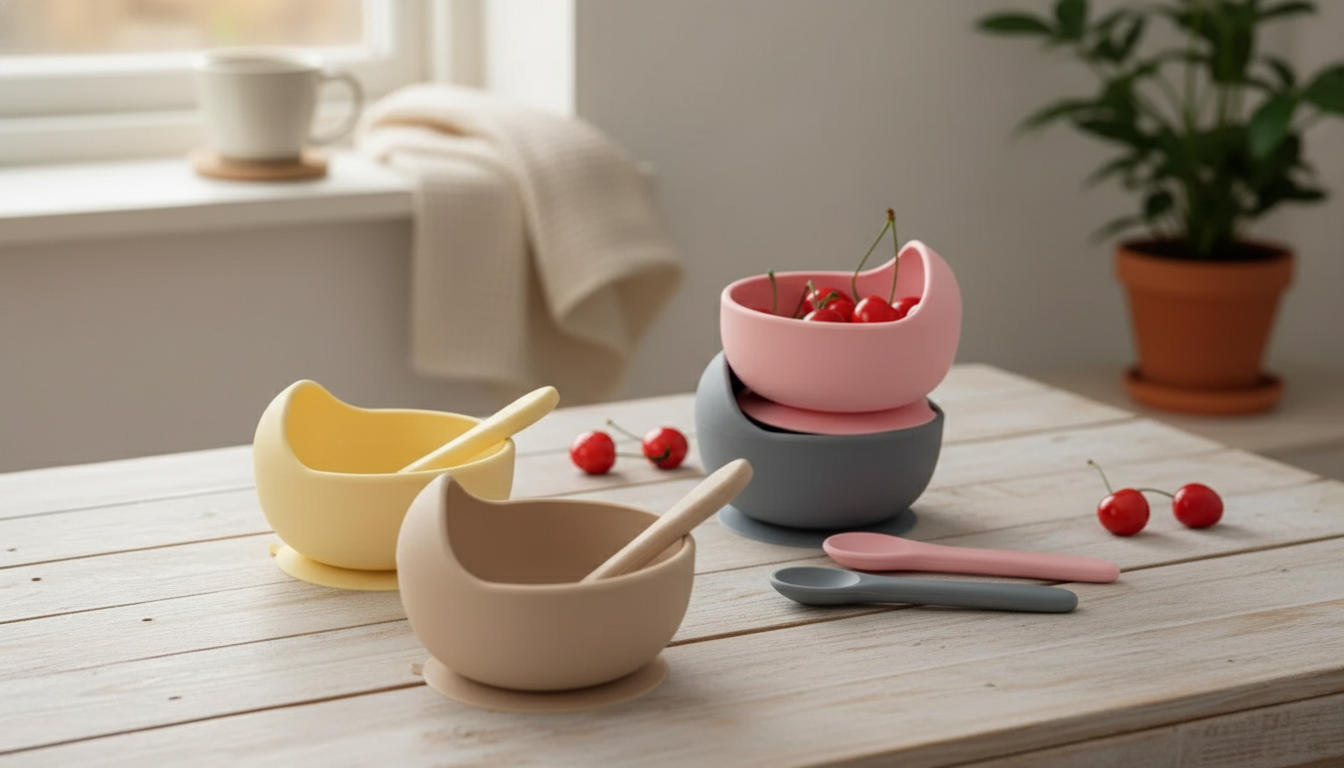
Baby Silicone Feeding Spoon: A Gentle Start for First Foods
A soft silicone spoon can make early feeding feel calmer and more comfortable—especially when babies are learning purees, exploring new textures, or starting to self-feed. Silicone’s flexible feel helps reduce “hard edges” during those wiggly, distracted bites, and it’s often easier to keep fresh between meals than more porous materials. Below is a practical guide to choosing a baby silicone feeding spoon, using it safely, and keeping it clean for everyday mealtimes. For more guidance, see How To Choose The Best Silicone Feeding Spoon For Your Baby.
Why silicone spoons work well for early feeding
- Softer contact on gums than metal, which can be especially helpful during teething and the common “bite the spoon” stage.
- Gentle edges may reduce accidental discomfort when babies lean forward, turn their head mid-bite, or grab the handle unexpectedly.
- Non-porous, food-grade silicone resists absorbing odors and stains better than some plastics when cared for properly.
- Comfortable for parent-led feeding and early self-feeding practice, so you don’t have to switch tools the moment baby wants to help.
When solids begin, food safety matters as much as comfort. For general guidance on safe handling and serving, the CDC’s food safety tips for infants and children are a helpful reference, especially for storage and preventing cross-contamination. For further reading, see Melii Baby Silicone Spoons for Babies Recalled Due to Choking ….
What to look for in a baby silicone feeding spoon
- Food-grade silicone with clear labeling. Before first use, check for any strong chemical smell; quality silicone should be fairly neutral after washing.
- A shallow spoon bowl for small bites and easier “lip clearing” during purees (helpful when babies are still learning to coordinate lips and tongue).
- A handle that’s easy to grip for adults now and, later, for small hands practicing scooping and bringing food to the mouth.
- One-piece or tightly bonded construction to limit places where food residue can hide.
- Heat resistance for warm foods—while still checking temperature before offering anything to baby.
Readiness for solids is individual. The American Academy of Pediatrics guidance on starting solid foods outlines common readiness cues and timing, which can help when planning your first spoon-fed meals.
Using a silicone spoon safely and comfortably
- Start tiny: place a small amount on the tip of the spoon and let baby set the pace, leaning forward to accept food.
- Offer the spoon level (not heaped) to reduce gagging from oversized bites.
- Avoid scraping firmly on gums; instead, let baby close lips around the spoon and pull the puree off.
- Always test temperature on the inside of the wrist before feeding, even if food only feels “warm.”
- Inspect before each use for tears, swelling, tackiness, warping, or loose parts; replace if damaged.
- Supervise all feeding and avoid letting baby crawl, walk, or play with a spoon in the mouth.
A calm rhythm often helps: spoon approaches, baby leans in, lips close, spoon gently slides out. If baby turns away or clamps down, pause and reset rather than trying to “win the bite.” Silicone’s softer feel supports that patient approach.
Cleaning, sterilizing, and getting rid of lingering odors
Silicone is designed to be durable and easy to clean, but it still benefits from consistent routine care—especially when used with strong-smelling foods or thicker purees that cling to surfaces.
- Wash after each use with warm water and mild dish soap; use a small brush for any seams or corners.
- Dishwasher when appropriate: many silicone utensils are dishwasher-safe; place on the top rack when possible for gentler heat exposure.
- Occasional deeper cleaning: follow manufacturer guidance for boiling or steam sterilizing (only if explicitly allowed).
- For odors: soak briefly in a mixture of baking soda and warm water, then rinse thoroughly and air-dry completely.
- Store fully dry to help prevent musty smells and residue buildup in drawers or travel containers.
| Task | How often | Simple approach |
|---|---|---|
| Routine wash | After every meal | Warm water + mild soap; rinse well; air-dry |
| Dishwasher | As needed | Top rack when possible; avoid overcrowding for better rinsing |
| Sterilize | Occasionally (or per preference) | Boil/steam only if manufacturer allows |
| Odor refresh | When needed | Baking soda soak; rinse thoroughly; dry completely |
| Safety check | Before each use | Look for tears, tackiness, warping, or loose parts |
Product snapshot: Baby Silicone Feeding Spoon
- Designed for feeding babies soft foods with a gentle silicone tip suited to early stages.
- A practical fit for purees and the transition toward self-feeding skills.
- Price: $16.49 (USD)
- Availability: In stock
- Shipping/assurance: Fast US shipping and a 100% money back guarantee (per store listing)
- Simple tip: Keep two spoons available—one in use and one clean—so mealtimes aren’t interrupted if one drops.
Helpful add-on for feeding on the go
Desigual Women’s Large Polyester Bag
Common mistakes to avoid
FAQ
At what age can a baby use a silicone feeding spoon?
Many babies start spoon-fed solids around 6 months when they can sit with support and have good head control, but readiness varies. Follow your pediatrician’s guidance and watch for signs like interest in food and the ability to bring food to the mouth.
Can silicone feeding spoons go in the dishwasher or be sterilized?
Many silicone feeding spoons are dishwasher-safe (often on the top rack) and some can be boiled or steam-sterilized if the manufacturer allows it. Always check the product instructions and replace the spoon if you notice tears, warping, or sticky areas.
How do you remove odors from silicone baby utensils?
Wash thoroughly with mild soap, rinse well, and let the utensil dry completely before storing. For lingering smells, a brief baking soda and warm water soak can help; if odor persists alongside damage or tackiness, replace the utensil.


