-
Shop
- Adidas
- Advanced Technologies
- AI Skills
- Armani Fashion
- Beauty
- Best Sellers
- Calvin Klein Fashion
- Car Accessories
- Car Buying & Ownership
- Car Electronics
- Confidence
- Dating & Social Skills
- Denim
- 7FOR
- AGOLDE
- Antony Morato
- Armani Exchange
- Boss
- Brunello Cucinelli
- Calvin Klein Jeans
- Costume National
- Desigual
- Diesel
- Dolce & Gabbana
- Dsquared²
- Ermanno Scervino
- Fendi
- Gianni Lupo
- Guess Jeans
- Ichi
- Just Cavalli
- Lee
- Levi's
- Liu Jo
- Morgan De Toi
- Mother Denim
- Only
- Pepe Jeans
- Pinko
- Replay
- Tommy Hilfiger Jeans
- Valentino
- Vero Moda
- Education & Learning
- Family & Parenting
- Fashion
- Alexander McQueen
- Bags
- Bags & Wallets
- Balenciaga
- Belts
- Blazers
- Blouses & Shirts
- Bottega Veneta
- Brunello Cucinelli
- Burberry
- Chanel
- Chloé
- Dior
- Dolce & Gabbana
- Dresses
- Etro
- Gucci
- Hats & Hair Accessories
- Hoodies & Sweatshirts
- Jewelry
- Jil Sander
- Jimmy Choo
- Keychains
- Kiton
- Luggage
- Luggage Bags
- Miu Miu
- Off-White
- Outerwear
- Prada
- Rick Owens
- Saint Laurent
- Shoe Accessories
- Socks & Tights
- Sunglasses
- Sweaters & Cardigans
- The Row
- Tom Ford
- Valentino Garavani
- Versace
- Vivienne Westwood
- Watches
- Fashion Accessories
- Financial Education
- Furniture
- Furniture & Decor
- Gadgets
- Gadgets & Electronics
- Guess Fashion
- Health & Beauty
- Health & Wellness
- Home & Garden
- Home Styling & Organization
- Home Supplies
- Interior Accessories
- Kids & Babies
- Kitchen & Dining
- Lighting
- Mindset
- Nike
- Outdoors
- Parenting & Child Development
- Patio, Lawn & Garden
- Personal Growth
- Personal Style & Fashion
- Pet Care
- Pet Lifestyle & Wellness
- Pet Supplies
- Pets
- Road Trip Accessories
- Shoes
- Special Deals
- Sport & Outdoors
- Storage & Organization
- Summer 2025 Fashion Collection
- Super Deals
- Tommy Hilfiger Fashion
- Travel
- Travel & Adventure
- Wealth
- Wealth Building
- Budgeting & Saving
- Cryptocurrency Investing
- Debt Management
- Entrepreneurship & Business Growth
- Family Finance & Budgeting
- Financial Independence
- Financial Mindset & Psychology
- Financial Planning
- Frugal Living & Expense Hacks
- Goal Setting
- High-Income Skills
- Investing Basics
- Leadership
- Networking & Mentorship
- Passive Income Strategies
- Real Estate Investing
- Side Hustles
- Stock Market Investing
- Wellness
- Winter Fashion
- YouTube Shorts Best-Sellers
- Popular
- Best deals
WiFi Self-Cleaning Cat Litter Box with Enclosed Drawer
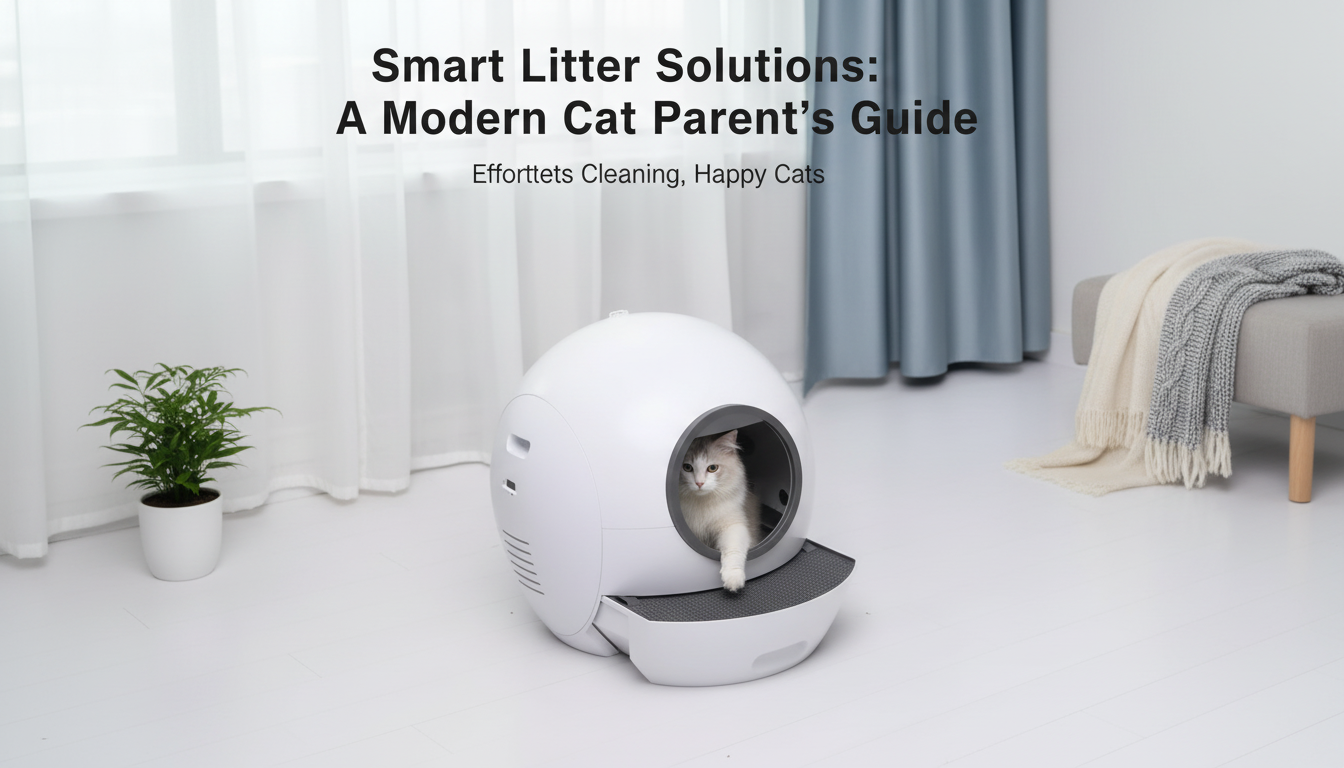
Smart Automatic Self-Cleaning Cat Litter Box with WiFi and Enclosed Drawer Design
A self-cleaning litter box can cut daily scooping down to quick check-ins while keeping odors and mess contained. This smart model pairs automatic cleaning with WiFi monitoring and an enclosed drawer that makes waste removal cleaner and more discreet.
If you’re balancing work, travel, or a multi-person household, a connected litter solution can also add clarity—so it’s easier to know when the box needs attention and when it’s running normally.
What Makes This Litter Box Different
Not all automatic boxes feel “hands-off” in real life. The best ones reduce the friction points that usually turn litter maintenance into a daily chore: lingering smell, scattered granules, and messy disposal.
- Automatic cleaning cycles help keep litter fresher between full changes, which can make the box more appealing for picky cats.
- WiFi connectivity supports app-based monitoring and alerts, helping you stay on top of maintenance without hovering.
- Enclosed drawer waste collection keeps clumps contained for cleaner emptying and improved odor control.
- A modern enclosed profile can reduce scatter and keep the surrounding area tidier, especially in smaller homes or apartments.
To see the full product details and current availability, visit Smart Automatic Self-Cleaning Cat Litter Box with WiFi and Enclosed Drawer Design.
WiFi Features That Matter Day to Day
WiFi sounds like a “nice-to-have” until it saves you from an overfilled drawer, helps coordinate care with family members, or gives you peace of mind while you’re out of the house.
- Remote status checks help confirm the unit is operating normally when you’re away.
- Usage insights can spotlight changes in bathroom habits. A sudden shift in frequency or avoidance can be a reason to pay closer attention.
- Notifications help prevent overfilling by prompting timely drawer emptying, which also supports odor control.
- Shared visibility helps multi-caregiver households stay aligned on who emptied the drawer last—without guessing.
For general cat care guidance and when to contact a veterinarian, the American Veterinary Medical Association (AVMA) cat care resources are a reliable reference point.
Enclosed Drawer Design: Cleaner Disposal and Better Odor Containment
Waste handling is where many litter setups fall apart—especially in busy homes. A drawer-style waste compartment is designed to keep mess and odor more contained so emptying feels more like taking out a small trash bag and less like dealing with an open bin.
- Drawer-style waste collection typically supports faster, less messy disposal than open trays or exposed receptacles.
- Enclosure helps limit odor escape and keeps waste out of sight, which is helpful in shared spaces.
- A more sealed waste area can help deter curious pets from pawing at clumps.
- Best results come with consistency: timely emptying and regular liner changes help keep smells from building.
Drawer Maintenance Quick Guide
| Task | Suggested cadence | Why it helps |
|---|---|---|
| Empty waste drawer | Every 2–4 days (adjust for number of cats) | Prevents overfilling and reduces odor |
| Replace waste bag/liner (if used) | With each emptying | Keeps the drawer cleaner and simplifies disposal |
| Wipe drawer interior | Weekly | Reduces residue buildup and lingering smell |
| Deep clean main unit | Monthly or as needed | Supports reliable operation and hygiene |
Setup and Placement for Smooth Adoption
The easiest way to “sell” a new litter box to a cat is to make the environment feel familiar and safe. Placement and pacing matter as much as features.
- Choose a quiet, low-traffic spot on a stable, level floor to reduce vibration and unexpected movement.
- Start near the old litter location so your cat doesn’t need to “hunt” for the new bathroom.
- Allow a transition period, especially if your cat is sensitive to new sounds or motion. Exploration should feel voluntary.
- Keep a backup traditional box during the first week for cautious cats, then phase it out once use is consistent.
If your cat avoids the box, stresses, or starts eliminating outside the litter area, review common behavioral and environmental causes. The Cornell Feline Health Center’s litter box guidance is a helpful place to start.
Cleaning, Litter Choices, and Ongoing Care
Automatic cleaning works best when the basics are dialed in: compatible litter, correct fill level, and occasional checks to keep sensors and moving parts clear.
For practical hygiene considerations around litter trays and maintaining a clean setup, International Cat Care’s litter tray advice provides useful context.
Is It a Good Fit for Multiple Cats or Busy Households?
Recommended In-Stock Picks
- Smart Automatic Self-Cleaning Cat Litter Box with WiFi and Enclosed Drawer Design — automatic cleaning, WiFi monitoring, and an enclosed drawer for tidier disposal.
- Shock-Resistant Bike Phone Holder — a practical add-on for keeping your phone secure when you’re out and still want quick access to alerts and notifications.
FAQ
How often does the waste drawer need to be emptied?
For one cat, emptying every 3–4 days is often a comfortable rhythm; for two or more cats, every 1–3 days is more typical. App notifications can help you time it before odors build or the drawer gets too full, which also supports smoother operation.
Will cats be scared of an automatic self-cleaning litter box?
Some cats adjust immediately, while others need a gradual transition. Place the new box near the old one, let your cat explore with the unit turned off at first, and keep a backup traditional box available during the first week if needed.
What type of litter works best with a self-cleaning box?
Clumping litter is usually the best match because it forms scoopable clumps that separate cleanly during sifting. Non-clumping litter can reduce separation and performance, so it’s best to follow the manufacturer’s compatibility guidance.


