-
Shop
- Adidas
- Advanced Technologies
- AI Skills
- Armani Fashion
- Beauty
- Best Sellers
- Calvin Klein Fashion
- Car Accessories
- Car Buying & Ownership
- Car Electronics
- Confidence
- Dating & Social Skills
- Denim
- 7FOR
- AGOLDE
- Antony Morato
- Armani Exchange
- Boss
- Brunello Cucinelli
- Calvin Klein Jeans
- Costume National
- Desigual
- Diesel
- Dolce & Gabbana
- Dsquared²
- Ermanno Scervino
- Fendi
- Gianni Lupo
- Guess Jeans
- Ichi
- Just Cavalli
- Lee
- Levi's
- Liu Jo
- Morgan De Toi
- Mother Denim
- Only
- Pepe Jeans
- Pinko
- Replay
- Tommy Hilfiger Jeans
- Valentino
- Vero Moda
- Education & Learning
- Family & Parenting
- Fashion
- Alexander McQueen
- Bags
- Bags & Wallets
- Balenciaga
- Belts
- Blazers
- Blouses & Shirts
- Bottega Veneta
- Brunello Cucinelli
- Burberry
- Chanel
- Chloé
- Dior
- Dolce & Gabbana
- Dresses
- Etro
- Gucci
- Hats & Hair Accessories
- Hoodies & Sweatshirts
- Jewelry
- Jil Sander
- Jimmy Choo
- Keychains
- Kiton
- Luggage
- Luggage Bags
- Miu Miu
- Off-White
- Outerwear
- Prada
- Rick Owens
- Saint Laurent
- Shoe Accessories
- Socks & Tights
- Sunglasses
- Sweaters & Cardigans
- The Row
- Tom Ford
- Valentino Garavani
- Versace
- Vivienne Westwood
- Watches
- Fashion Accessories
- Financial Education
- Furniture
- Furniture & Decor
- Gadgets
- Gadgets & Electronics
- Guess Fashion
- Health & Beauty
- Health & Wellness
- Home & Garden
- Home Styling & Organization
- Home Supplies
- Interior Accessories
- Kids & Babies
- Kitchen & Dining
- Lighting
- Mindset
- Nike
- Outdoors
- Parenting & Child Development
- Patio, Lawn & Garden
- Personal Growth
- Personal Style & Fashion
- Pet Care
- Pet Lifestyle & Wellness
- Pet Supplies
- Pets
- Road Trip Accessories
- Shoes
- Special Deals
- Sport & Outdoors
- Storage & Organization
- Summer 2025 Fashion Collection
- Super Deals
- Tommy Hilfiger Fashion
- Travel
- Travel & Adventure
- Wealth
- Wealth Building
- Budgeting & Saving
- Cryptocurrency Investing
- Debt Management
- Entrepreneurship & Business Growth
- Family Finance & Budgeting
- Financial Independence
- Financial Mindset & Psychology
- Financial Planning
- Frugal Living & Expense Hacks
- Goal Setting
- High-Income Skills
- Investing Basics
- Leadership
- Networking & Mentorship
- Passive Income Strategies
- Real Estate Investing
- Side Hustles
- Stock Market Investing
- Wellness
- Winter Fashion
- YouTube Shorts Best-Sellers
- Popular
- Best deals
Modern Cute Kawaii Nightstand: Size, Safety & Styling
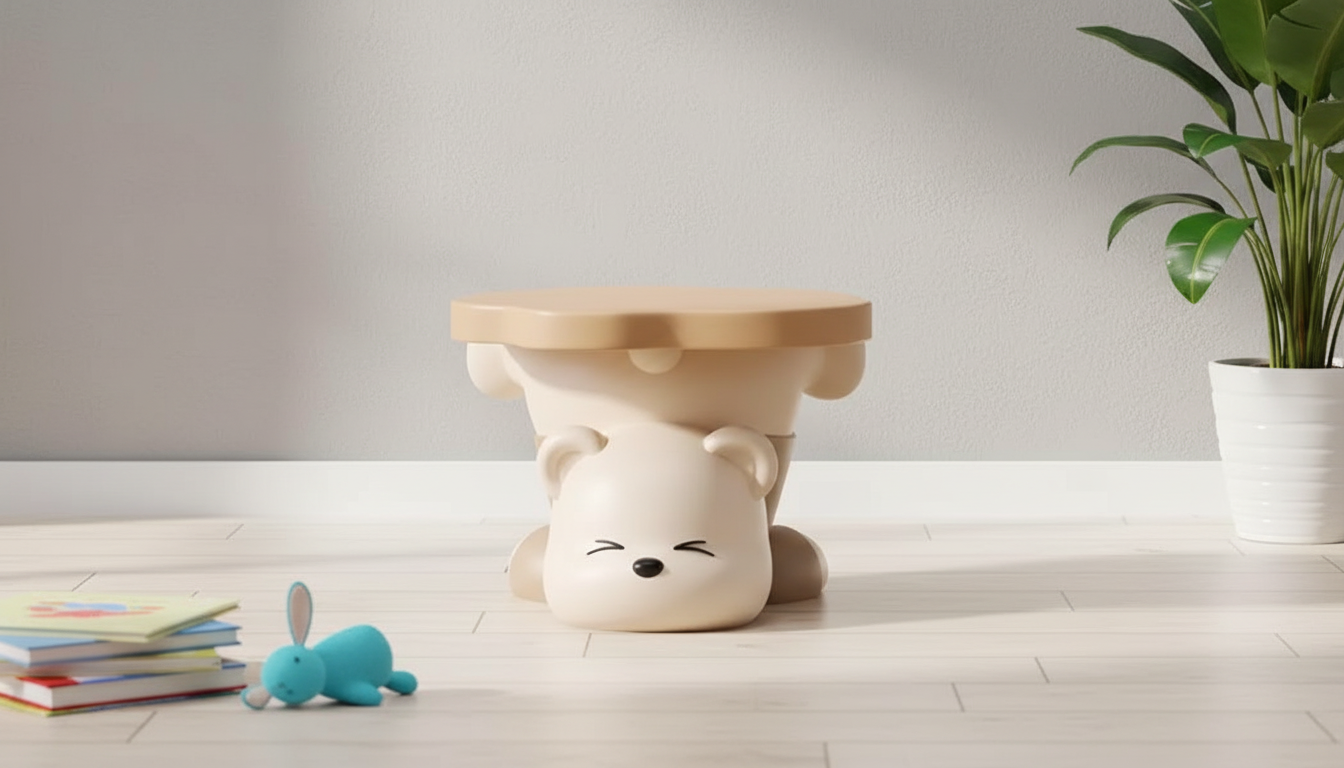
Modern Cute Kawaii Nightstand: A Playful Accent for Bedrooms and Kids’ Rooms
A nightstand can do more than hold a lamp—it can add personality, keep bedtime essentials organized, and make a room feel finished. A modern cute kawaii nightstand blends clean contemporary lines with a cheerful, character-inspired look that fits kids’ bedrooms, teen spaces, and whimsical adult interiors alike. Use the guide below to evaluate fit, function, safety, and styling so the nightstand looks great and works smoothly every day.
What Makes a Kawaii Nightstand Feel Modern
The sweet spot is “cute, but clean.” A modern kawaii nightstand typically keeps the silhouette simple, then adds charm through details rather than busy ornamentation.
- Simple silhouette with playful details: rounded corners, friendly shapes, and soft visual elements paired with a streamlined frame.
- Balanced proportions: a compact footprint for smaller rooms while keeping the top surface useful for a lamp, books, and a water bottle.
- Mix-and-match potential: it coordinates with modern décor (neutral walls, minimal bedding) while still acting as a cute focal point.
- Practical storage: a drawer or shelf helps reduce bedside clutter and keeps essentials within reach.
Best Places to Use It
Because it’s both functional and expressive, a kawaii nightstand can flex across rooms without feeling out of place—especially when the rest of the setup stays tidy.
- Kids’ bedrooms: a friendly bedside spot for a night light, storybooks, tissues, and a small basket for bedtime items.
- Teen rooms: pairs well with pastel themes, plush décor, and minimalist desks; helps keep chargers and accessories organized.
- Nursery or toddler room: works as a compact surface near a chair for books and calming items (keep cords managed and out of reach).
- Guest rooms: adds warmth and character without overwhelming a clean, simple setup.
- Small apartments: provides storage and a landing zone beside a bed in tight spaces.
Sizing and Layout Checklist
Before buying, measure the area beside the bed and think about everyday habits: grabbing water at night, charging a phone, reaching for a lamp switch, and opening drawers without bumping the frame.
- Height alignment: aim for the tabletop to sit near mattress height so phones, books, and a lamp are easy to reach.
- Top surface needs: leave room for a lamp base plus a clear area for a book and drink (use coasters to protect the finish).
- Drawer clearance: confirm drawers open fully without hitting the bed frame or nearby furniture.
- Walkway comfort: keep a clear path around the bed—especially in kids’ rooms where play space matters.
- Cable plan: set up chargers so cords route behind furniture (cord clips, cable box, or a secured power strip).
Quick Measurement Guide for Bedside Fit
| What to measure | Why it matters | Target range (typical) |
|---|---|---|
| Mattress top height | Comfortable reach for items and lamp switch | Nightstand top within a few inches of mattress height |
| Available width beside the bed | Prevents crowding and improves access | Leave a small gap for linens and movement |
| Depth from wall to bed edge | Avoids blocking drawers and walkways | Keep enough clearance for drawer pull-out |
| Drawer/opening path | Ensures daily usability | Full opening without contact with bed frame |
Materials, Durability, and Easy Care
A cute look should still stand up to real life: water rings, lotion drips, toy bumps, and the occasional “oops” moment. Prioritize surfaces and details that make daily use easy.
- Surface durability: choose finishes that resist light scratches and wipe clean quickly—especially helpful for kids’ rooms.
- Edge design: rounded corners reduce bumps and keep the kawaii look soft and friendly.
- Hardware feel: smooth drawer slides and sturdy pulls make the nightstand feel reliable (no sticking or wobble).
- Stability: a solid base helps reduce tipping; keep heavier items low and avoid overloading the top.
- Cleaning routine: dust with a microfiber cloth, spot-clean with a gentle cleaner, and use coasters/mats for drinks and skincare.
Safety and Room-Friendly Setup
- Tip-resistance: wall anchoring is strongly recommended when a manufacturer suggests it, especially in children’s rooms. See the CPSC guidance on preventing tip-overs: CPSC Anchor It! Prevent Furniture and TV Tip-Overs.
- Cord management: route cables behind the unit and secure them so they can’t be pulled or tripped over. For general home electrical safety reminders, review: NFPA: Electrical Safety in the Home.
- Night lighting: pair with a low-heat LED lamp or a night light to keep the bedside calm and practical.
- Weight distribution: place heavier items in drawers or on lower shelves rather than on top.
- Placement: avoid positioning where drawers open into the main walkway—especially in tight kids’ rooms.
Styling Ideas That Keep It Cute (Not Cluttered)
Modern Cute Kawaii Nightstand at a Glance
Product Snapshot
| Item | Price | Availability |
|---|---|---|
| Modern Cute Kawaii Nightstand | $841.49 | In stock |
Shop Coordinating Picks
- Modern Cute Kawaii Nightstand — a charming modern accent with practical bedside storage.
- Shock-Resistant Bike Phone Holder — a sturdy way to secure a phone when you want it held in place (useful for hands-free viewing outside the bedroom, helping keep the nightstand surface clearer at night).
FAQ
How tall should a nightstand be next to a bed?
Aim for the top surface to be roughly level with the top of the mattress or within a few inches. The best height is the one that makes the lamp switch and daily essentials easy to reach without sitting up too far.
Is a kawaii-style nightstand only for kids’ rooms?
No—when cute details are balanced with clean lines, it can look intentional in teen rooms, guest rooms, or minimalist adult spaces. Keeping the rest of the décor simple helps the nightstand feel like a curated accent rather than a theme overload.
How can cords be kept tidy on a bedside table?
Use adhesive cord clips, route cables behind the nightstand, and secure a power strip so it doesn’t slide. Shorter charging cables and a small tray for devices can also prevent tangles and visual clutter.


