-
Shop
- Adidas
- Advanced Technologies
- AI Skills
- Armani Fashion
- Beauty
- Best Sellers
- Calvin Klein Fashion
- Car Accessories
- Car Buying & Ownership
- Car Electronics
- Confidence
- Dating & Social Skills
- Denim
- 7FOR
- AGOLDE
- Antony Morato
- Armani Exchange
- Boss
- Brunello Cucinelli
- Calvin Klein Jeans
- Costume National
- Desigual
- Diesel
- Dolce & Gabbana
- Dsquared²
- Ermanno Scervino
- Fendi
- Gianni Lupo
- Guess Jeans
- Ichi
- Just Cavalli
- Lee
- Levi's
- Liu Jo
- Morgan De Toi
- Mother Denim
- Only
- Pepe Jeans
- Pinko
- Replay
- Tommy Hilfiger Jeans
- Valentino
- Vero Moda
- Education & Learning
- Family & Parenting
- Fashion
- Alexander McQueen
- Bags
- Bags & Wallets
- Balenciaga
- Belts
- Blazers
- Blouses & Shirts
- Bottega Veneta
- Brunello Cucinelli
- Burberry
- Chanel
- Chloé
- Dior
- Dolce & Gabbana
- Dresses
- Etro
- Gucci
- Hats & Hair Accessories
- Hoodies & Sweatshirts
- Jewelry
- Jil Sander
- Jimmy Choo
- Keychains
- Kiton
- Luggage
- Luggage Bags
- Miu Miu
- Off-White
- Outerwear
- Prada
- Rick Owens
- Saint Laurent
- Shoe Accessories
- Socks & Tights
- Sunglasses
- Sweaters & Cardigans
- The Row
- Tom Ford
- Valentino Garavani
- Versace
- Vivienne Westwood
- Watches
- Fashion Accessories
- Financial Education
- Furniture
- Furniture & Decor
- Gadgets
- Gadgets & Electronics
- Guess Fashion
- Health & Beauty
- Health & Wellness
- Home & Garden
- Home Styling & Organization
- Home Supplies
- Interior Accessories
- Kids & Babies
- Kitchen & Dining
- Lighting
- Mindset
- Nike
- Outdoors
- Parenting & Child Development
- Patio, Lawn & Garden
- Personal Growth
- Personal Style & Fashion
- Pet Care
- Pet Lifestyle & Wellness
- Pet Supplies
- Pets
- Road Trip Accessories
- Shoes
- Special Deals
- Sport & Outdoors
- Storage & Organization
- Summer 2025 Fashion Collection
- Super Deals
- Tommy Hilfiger Fashion
- Travel
- Travel & Adventure
- Wealth
- Wealth Building
- Budgeting & Saving
- Cryptocurrency Investing
- Debt Management
- Entrepreneurship & Business Growth
- Family Finance & Budgeting
- Financial Independence
- Financial Mindset & Psychology
- Financial Planning
- Frugal Living & Expense Hacks
- Goal Setting
- High-Income Skills
- Investing Basics
- Leadership
- Networking & Mentorship
- Passive Income Strategies
- Real Estate Investing
- Side Hustles
- Stock Market Investing
- Wellness
- Winter Fashion
- YouTube Shorts Best-Sellers
- Popular
- Best deals
USB Rechargeable Portable Air Pump: 4 Nozzles, Anywhere
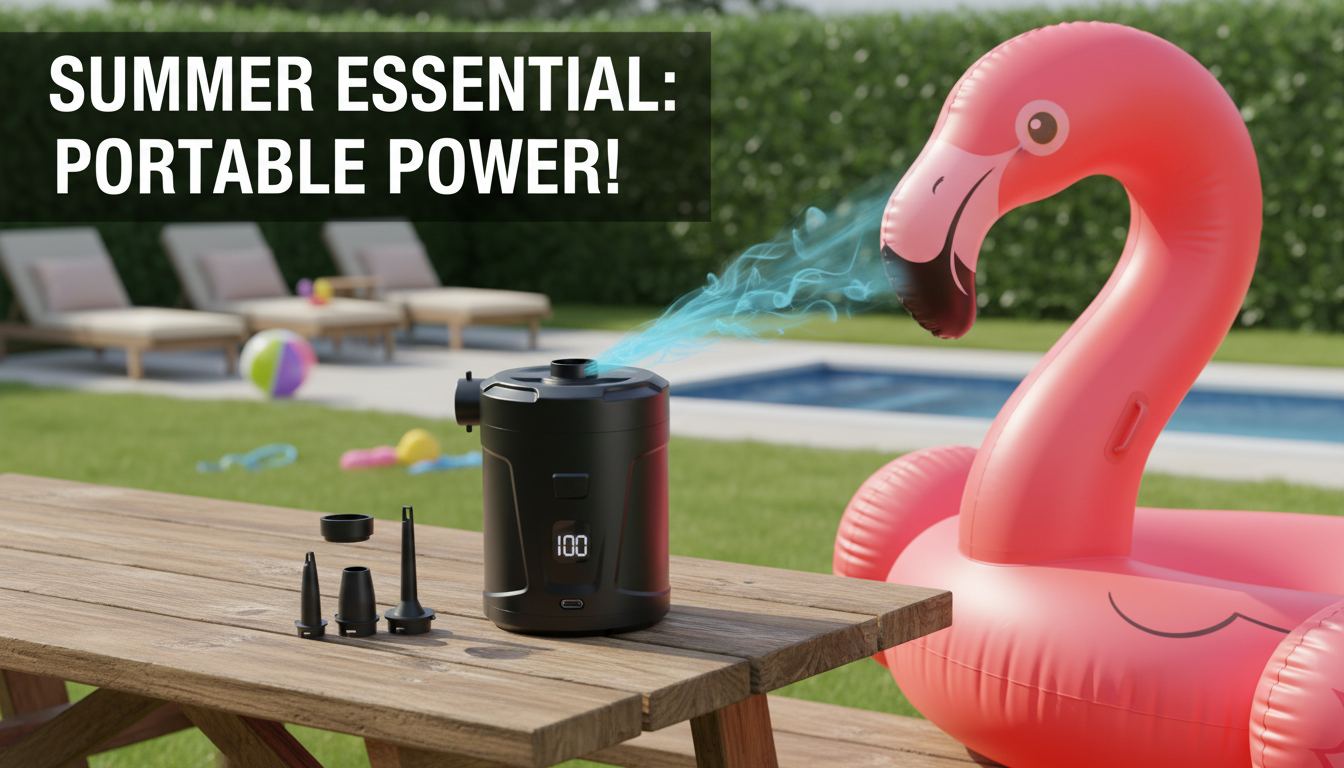
USB Rechargeable Portable Air Pump with 4 Nozzles: Portable Inflation That’s Ready When You Are
A compact air pump that recharges by USB can take a lot of stress out of last-minute inflation—whether it’s topping off a tire before a commute, filling a ball at the park, or getting an air mattress ready at camp. This guide explains what a portable pump with multiple nozzles is designed to handle, how to match attachments to common valves, and how to use and store it so it performs consistently when you need it most.
What this portable pump is built to handle
A USB-rechargeable portable air pump is all about convenience: quick top-offs, emergency inflation, and situations where a wall outlet or full-size compressor isn’t available. It’s a practical option for everyday tasks like:
- Quick top-offs and emergency inflation when a wall outlet isn’t available
- Common use cases: car tires, bicycle tires, sports balls, inflatable pool/toy items, and air mattresses (depending on valve type and volume)
- Portability and convenience; not a substitute for a full-size garage compressor for high-volume, back-to-back jobs
- Multiple nozzle options to reduce the need for extra adapters and improve sealing on different valve openings
For drivers, proper tire pressure supports handling and helps reduce premature wear. For a plain-language refresher on why tire pressure matters, see NHTSA Tire Safety: Maintaining Proper Tire Pressure.
What’s included and how the 4 nozzles help
The biggest advantage of a multi-nozzle kit is fewer “workarounds.” Instead of improvising a fit (which often leaks), you pick the tip that matches the valve opening, seat it firmly, and get air moving efficiently.
- Pump unit designed for on-the-go storage in a glove box, backpack, or bike bag
- Four nozzles to cover multiple valve openings and inflation tasks without improvised fittings
- Using the best-fitting nozzle helps minimize air leaks and shorten inflation time
- Keeping nozzles together in a small pouch helps prevent losing the most-used tip
Nozzle matching guide
| Nozzle type (typical) | Common uses | Fit tips |
|---|---|---|
| Ball needle | Basketballs, soccer balls, volleyballs | Insert straight; stop when resistance increases—avoid forcing |
| Tapered cone nozzle | Inflatable toys, pool floats, some air mattresses | Choose the cone size that seals; hold steady to prevent blow-back |
| Valve adapter (typical for bikes) | Some bicycle valves depending on setup | Confirm valve type (Presta vs Schrader) before inflating |
| Wide/flat nozzle (common for inflatables) | Higher-volume inflatables with matching ports | Make sure the port flap is held open if required for airflow |
USB rechargeability and everyday power planning
USB charging makes a portable pump easy to keep “topped up” using devices you already carry. You can recharge from a car USB port, power bank, or laptop, which is especially helpful for travel days and outdoor events.
- USB charging supports topping up the battery from common sources such as a car USB port, power bank, or laptop
- Best practice: charge fully before long trips, rides, or outdoor events
- Cold conditions can reduce battery performance; keep the pump inside a jacket pocket or cabin area when possible
- If the pump is used for emergency car tire inflation, add it to a routine check (a monthly charge check is a practical habit)
Safety note for roadside use: if you’re inflating near traffic, prioritize visibility and location. If you ever need to idle a vehicle for warmth, avoid enclosed spaces to reduce carbon monoxide risk; the CDC’s carbon monoxide poisoning prevention guidance is a helpful reference.
How to use it without leaks or guesswork
Portable inflators work best when the connection is secure. Small gaps can create constant leakage, which slows the job and drains the battery faster.
- Select the correct nozzle/adapter for the valve or inflation port; a loose fit wastes time and battery
- Seat the nozzle firmly, then start inflation; keep the connection straight to maintain a seal
- Inflate in short intervals for items sensitive to overinflation (balls, small inflatables)
- For tires, stop periodically to check firmness and avoid overshooting recommended pressure
- After use, remove the nozzle carefully to prevent bending needles or stressing valve stems
If you notice air “hissing” at the connection, stop and reseat the nozzle. Often, a slightly deeper insertion (without forcing) or a steadier hand position is all it takes to seal properly.
Getting the right pressure for tires and sports equipment
Pressure targets vary widely by item, so it helps to know where to look before inflating:
Care, storage, and safety checks that prevent failures
When a portable USB pump is the right choice (and when it isn’t)
In-stock picks
- USB Rechargeable Portable Air Pump with 4 Nozzles ($25.67) — a compact, multi-nozzle option for tires, balls, and common inflatables.
- Shock-Resistant Bike Phone Holder ($114.99) — a useful add-on for cyclists building a small, ride-ready kit alongside a portable pump.
FAQ
Which nozzle should be used for a bicycle tire?
Check whether your bike uses a Schrader valve (wider, like many car tires) or a Presta valve (narrower, common on road bikes) first. Use the nozzle/adapter designed for that valve type and keep the connection straight and snug to prevent leaks while inflating.
How long does a USB-rechargeable air pump take to inflate a car tire?
Inflation time depends on tire size, how low the tire is, the pump’s output, and the battery level. For best results, inflate in short runs and verify pressure periodically with a gauge so you don’t overshoot the recommended PSI.
Can the pump be used for air mattresses and pool inflatables?
Yes—if the tapered or wide/flat nozzle matches the inflatable’s port and seals well. Larger, high-volume inflatables may take longer than a dedicated high-flow inflator, so steady sealing and patience matter.


