-
Shop
- Adidas
- Advanced Technologies
- AI Skills
- Armani Fashion
- Beauty
- Best Sellers
- Calvin Klein Fashion
- Car Accessories
- Car Buying & Ownership
- Car Electronics
- Confidence
- Dating & Social Skills
- Denim
- 7FOR
- AGOLDE
- Antony Morato
- Armani Exchange
- Boss
- Brunello Cucinelli
- Calvin Klein Jeans
- Costume National
- Desigual
- Diesel
- Dolce & Gabbana
- Dsquared²
- Ermanno Scervino
- Fendi
- Gianni Lupo
- Guess Jeans
- Ichi
- Just Cavalli
- Lee
- Levi's
- Liu Jo
- Morgan De Toi
- Mother Denim
- Only
- Pepe Jeans
- Pinko
- Replay
- Tommy Hilfiger Jeans
- Valentino
- Vero Moda
- Education & Learning
- Family & Parenting
- Fashion
- Alexander McQueen
- Bags
- Bags & Wallets
- Balenciaga
- Belts
- Blazers
- Blouses & Shirts
- Bottega Veneta
- Brunello Cucinelli
- Burberry
- Chanel
- Chloé
- Dior
- Dolce & Gabbana
- Dresses
- Etro
- Gucci
- Hats & Hair Accessories
- Hoodies & Sweatshirts
- Jewelry
- Jil Sander
- Jimmy Choo
- Keychains
- Kiton
- Luggage
- Luggage Bags
- Miu Miu
- Off-White
- Outerwear
- Prada
- Rick Owens
- Saint Laurent
- Shoe Accessories
- Socks & Tights
- Sunglasses
- Sweaters & Cardigans
- The Row
- Tom Ford
- Valentino Garavani
- Versace
- Vivienne Westwood
- Watches
- Fashion Accessories
- Financial Education
- Furniture
- Furniture & Decor
- Gadgets
- Gadgets & Electronics
- Guess Fashion
- Health & Beauty
- Health & Wellness
- Home & Garden
- Home Styling & Organization
- Home Supplies
- Interior Accessories
- Kids & Babies
- Kitchen & Dining
- Lighting
- Mindset
- Nike
- Outdoors
- Parenting & Child Development
- Patio, Lawn & Garden
- Personal Growth
- Personal Style & Fashion
- Pet Care
- Pet Lifestyle & Wellness
- Pet Supplies
- Pets
- Road Trip Accessories
- Shoes
- Special Deals
- Sport & Outdoors
- Storage & Organization
- Summer 2025 Fashion Collection
- Super Deals
- Tommy Hilfiger Fashion
- Travel
- Travel & Adventure
- Wealth
- Wealth Building
- Budgeting & Saving
- Cryptocurrency Investing
- Debt Management
- Entrepreneurship & Business Growth
- Family Finance & Budgeting
- Financial Independence
- Financial Mindset & Psychology
- Financial Planning
- Frugal Living & Expense Hacks
- Goal Setting
- High-Income Skills
- Investing Basics
- Leadership
- Networking & Mentorship
- Passive Income Strategies
- Real Estate Investing
- Side Hustles
- Stock Market Investing
- Wellness
- Winter Fashion
- YouTube Shorts Best-Sellers
- Popular
- Best deals
Ultrasonic Silicone Cleansing Brush: Deep Pore How-To
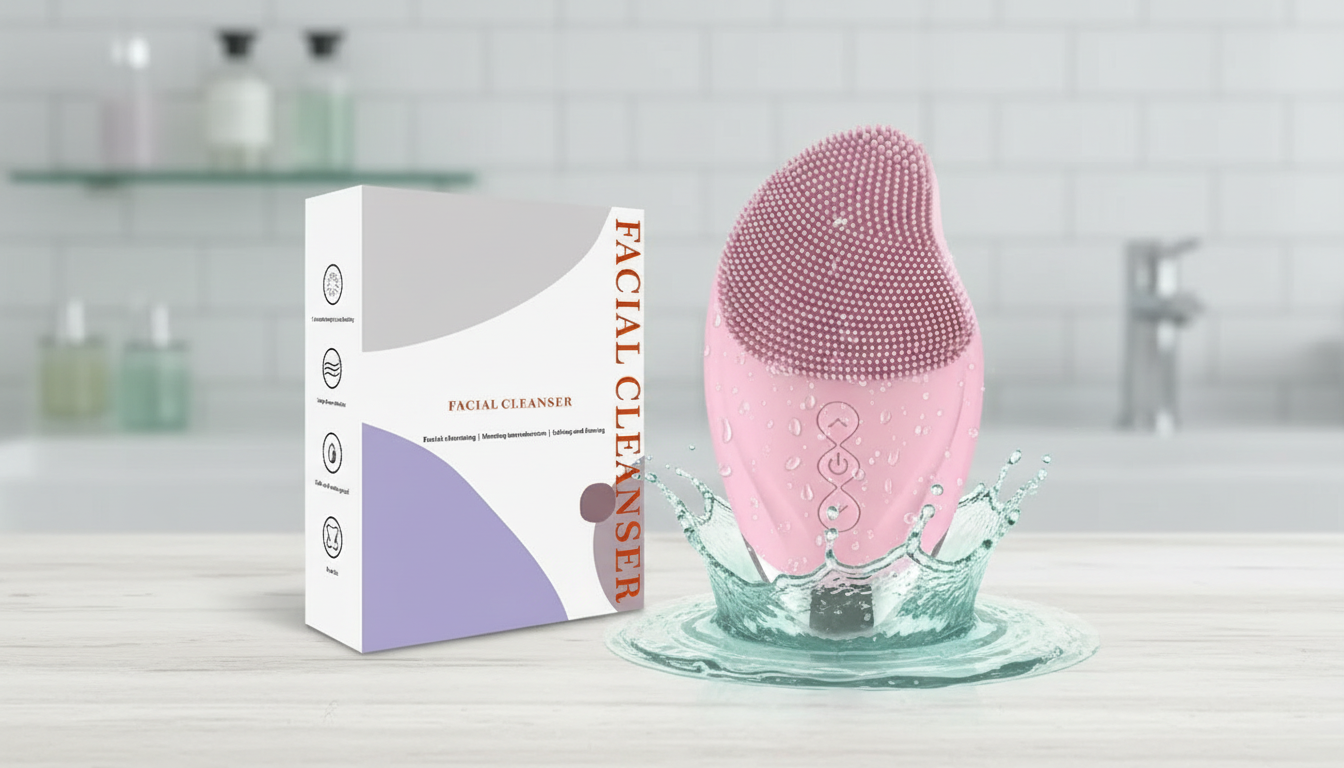
Ultrasonic Silicone Facial Cleansing Brush for Deep Pore Cleaning: A Practical Guide to Clearer, Smoother Skin
A silicone cleansing brush that uses ultrasonic vibration can help lift daily buildup from pores while staying gentler than many rough scrubs. With the right technique and frequency, it can support a cleaner-feeling face, smoother-looking texture, and more consistent cleansing—especially around the nose and chin where congestion tends to linger.
What an Ultrasonic Silicone Cleansing Brush Does
An ultrasonic silicone facial cleansing brush is designed to enhance your regular cleanse rather than replace it. Think of it as a tool that helps your cleanser perform more evenly across the face.
- Uses high-frequency vibration to loosen oil, sunscreen, makeup residue, and pollution particles that can cling to skin and settle into pores.
- Soft silicone touchpoints help sweep away debris while reducing the friction often associated with bristle brushes.
- Supports more even cleansing around common congestion zones like the nose, chin, and jawline.
- Can be paired with a gentle cleanser to boost slip and reduce tugging, especially on delicate areas like the cheeks.
If your skin often looks dull after a long day (or you wear water-resistant sunscreen and makeup), the main benefit is getting a more thorough cleanse without needing harsher scrubs.
Who It’s Best For (and When to Be Cautious)
Most skin types can use silicone cleansing tools, but comfort and results depend heavily on frequency, pressure, and what else is in your routine.
- Oily or combination skin: Helps break up surface oil and buildup that can make pores look more noticeable.
- Dry or sensitive skin: Silicone can be a softer option than gritty exfoliants, but frequency should be reduced to avoid irritation.
- Acne-prone skin: Can help remove pore-clogging residue; avoid using over inflamed or open breakouts to reduce irritation risk.
- Rosacea, eczema, or compromised skin barrier: Use caution and consult a dermatologist if flare-ups are common.
As a general rule, any time your skin stings with bland products, looks persistently red, or feels hot after cleansing, it’s a sign to scale back and focus on barrier-friendly basics. The American Academy of Dermatology’s skin care basics are a helpful reference for building a gentle routine: https://www.aad.org/public/everyday-care/skin-care-basics.
How to Use It for Deep-Clean Results Without Overdoing It
Technique matters more than intensity. A light touch is typically enough—pressing harder doesn’t “deep clean” more; it usually just increases redness and dryness.
- Start with clean hands, then wet the face and apply a mild cleanser (avoid harsh foaming cleansers if skin feels tight after washing).
- Use light pressure and slow passes; let the vibration do the work rather than pressing harder.
- Focus 10–20 seconds per area (forehead, cheeks, nose, chin), keeping total time to about 1 minute to start.
- Rinse thoroughly, pat dry, and follow with moisturizer; apply sunscreen in the morning.
- Begin 2–3 times per week, then adjust based on comfort and visible dryness or redness.
Sample routine by skin type
| Skin type | Suggested frequency | Cleanser pairing | Aftercare |
|---|---|---|---|
| Oily/combination | 3–5x per week | Gentle gel or low-foam cleanser | Light moisturizer; sunscreen AM |
| Normal | 2–4x per week | Gentle cream or gel cleanser | Moisturizer; sunscreen AM |
| Dry/sensitive | 1–3x per week | Cream cleanser; avoid strong acids same night | Richer moisturizer; consider barrier serum |
| Acne-prone | 2–4x per week (avoid inflamed areas) | Non-comedogenic gentle cleanser | Moisturizer; spot treatments on non-irritated skin |
How It Fits Into a Skincare Routine
Placement is simple: use the brush during cleansing, then continue with the rest of your routine on clean, rinsed skin.
- Use during the cleansing step—before toners, serums, retinoids, or exfoliating acids.
- If using retinoids or strong exfoliants, alternate nights at first to avoid cumulative irritation.
- For makeup wearers: consider a double-cleanse (oil cleanser first, gentle cleanser with the brush second).
- If skin feels tight, stings with bland products, or looks persistently red, reduce frequency and simplify the routine.
If acne is a frequent concern, focusing on gentle cleansing and avoiding aggressive friction can help reduce unnecessary irritation. Mayo Clinic’s acne self-care guidance is a solid overview: https://www.mayoclinic.org/diseases-conditions/acne/diagnosis-treatment/drc-20368048.
Cleaning and Care for Hygiene and Performance
Because facial tools contact oil and product residue, consistent cleaning helps performance and reduces the chance of re-depositing buildup onto freshly washed skin.
Common Mistakes That Make Skin Look Worse
What to Look For in a Silicone Ultrasonic Cleansing Brush
Product Options to Support a Consistent Routine
- Ultrasonic Silicone Facial Cleansing Brush for Deep Pore Cleaning — a compact cleansing tool designed to help lift daily buildup with gentle silicone contact and ultrasonic vibration. It works best with a mild cleanser, light pressure, and consistent cleaning after each use.
- Infrared Sauna for One Person — an at-home wellness option for those who want to build a relaxing reset into their week. While it’s not a facial-cleansing tool, stress and sleep routines often influence how skin looks and feels over time.
FAQ
How often should an ultrasonic silicone facial cleansing brush be used?
Start with 1–3 times per week for dry or sensitive skin and 3–5 times per week for oily or combination skin. If you notice dryness, redness, or stinging, cut back and return to a gentler schedule.
Can it help with blackheads and clogged pores?
It can help remove the surface oil and residue that contribute to congestion, which may make pores look clearer over time. It isn’t an instant extraction tool—results depend on consistent cleansing, a gentle cleanser, and not over-irritating the skin.
Is it safe to use on active acne?
Avoid using it directly over inflamed, painful, or open breakouts, since friction can worsen irritation. Use gentle passes around affected areas and stop if redness or sensitivity increases; persistent acne is best addressed with a dermatologist-guided plan.


