-
Shop
- Adidas
- Advanced Technologies
- AI Skills
- Armani Fashion
- Beauty
- Best Sellers
- Calvin Klein Fashion
- Car Accessories
- Car Buying & Ownership
- Car Electronics
- Confidence
- Dating & Social Skills
- Denim
- 7FOR
- AGOLDE
- Antony Morato
- Armani Exchange
- Boss
- Brunello Cucinelli
- Calvin Klein Jeans
- Costume National
- Desigual
- Diesel
- Dolce & Gabbana
- Dsquared²
- Ermanno Scervino
- Fendi
- Gianni Lupo
- Guess Jeans
- Ichi
- Just Cavalli
- Lee
- Levi's
- Liu Jo
- Morgan De Toi
- Mother Denim
- Only
- Pepe Jeans
- Pinko
- Replay
- Tommy Hilfiger Jeans
- Valentino
- Vero Moda
- Education & Learning
- Family & Parenting
- Fashion
- Alexander McQueen
- Bags
- Bags & Wallets
- Balenciaga
- Belts
- Blazers
- Blouses & Shirts
- Bottega Veneta
- Brunello Cucinelli
- Burberry
- Chanel
- Chloé
- Dior
- Dolce & Gabbana
- Dresses
- Etro
- Gucci
- Hats & Hair Accessories
- Hoodies & Sweatshirts
- Jewelry
- Jil Sander
- Jimmy Choo
- Keychains
- Kiton
- Luggage
- Luggage Bags
- Miu Miu
- Off-White
- Outerwear
- Prada
- Rick Owens
- Saint Laurent
- Shoe Accessories
- Socks & Tights
- Sunglasses
- Sweaters & Cardigans
- The Row
- Tom Ford
- Valentino Garavani
- Versace
- Vivienne Westwood
- Watches
- Fashion Accessories
- Financial Education
- Furniture
- Furniture & Decor
- Gadgets
- Gadgets & Electronics
- Guess Fashion
- Health & Beauty
- Health & Wellness
- Home & Garden
- Home Styling & Organization
- Home Supplies
- Interior Accessories
- Kids & Babies
- Kitchen & Dining
- Lighting
- Mindset
- Nike
- Outdoors
- Parenting & Child Development
- Patio, Lawn & Garden
- Personal Growth
- Personal Style & Fashion
- Pet Care
- Pet Lifestyle & Wellness
- Pet Supplies
- Pets
- Road Trip Accessories
- Shoes
- Special Deals
- Sport & Outdoors
- Storage & Organization
- Summer 2025 Fashion Collection
- Super Deals
- Tommy Hilfiger Fashion
- Travel
- Travel & Adventure
- Wealth
- Wealth Building
- Budgeting & Saving
- Cryptocurrency Investing
- Debt Management
- Entrepreneurship & Business Growth
- Family Finance & Budgeting
- Financial Independence
- Financial Mindset & Psychology
- Financial Planning
- Frugal Living & Expense Hacks
- Goal Setting
- High-Income Skills
- Investing Basics
- Leadership
- Networking & Mentorship
- Passive Income Strategies
- Real Estate Investing
- Side Hustles
- Stock Market Investing
- Wellness
- Winter Fashion
- YouTube Shorts Best-Sellers
- Popular
- Best deals
Rose Wireless Mouse Guide: Comfort, Battery & Bluetooth
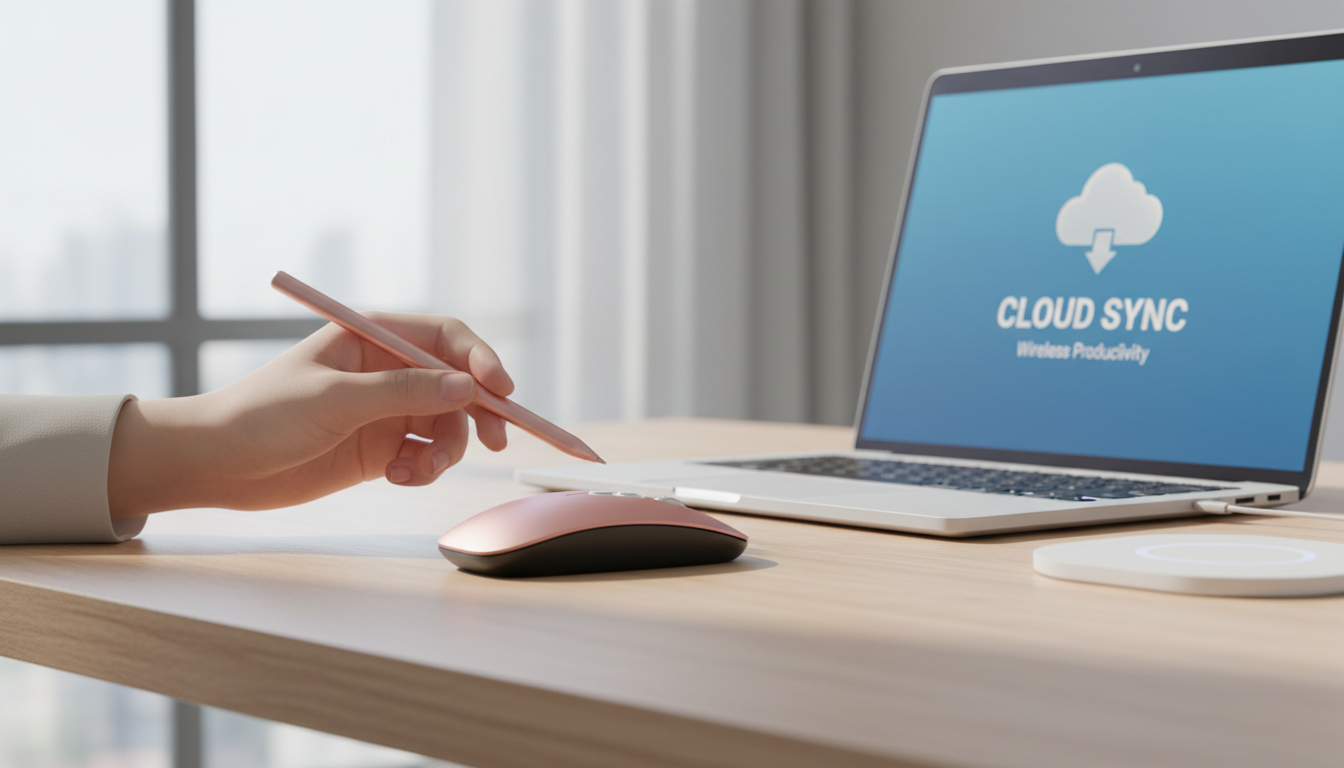
A wireless mouse in a rose-gold finish is an easy upgrade for anyone who wants a cleaner desk, fewer tangled cables, and quick, consistent control for daily tasks. Whether you’re working from home, heading to class, or commuting with a laptop, the right mouse should feel comfortable for your hand, connect reliably, and stay powered without constant fuss. Below are the practical things to look for—comfort, connection type, battery habits, and everyday usability—so it’s simple to choose a mouse that looks great and works even better.
What a Rose Wireless Mouse Fits Best
A rose gold wireless mouse is usually chosen for two reasons: it complements a modern setup, and it keeps your workspace portable. It’s a strong fit for:
- Home office setups that prioritize a tidy, minimal look
- Students and commuters who need a lightweight mouse that slips into a bag
- Everyday browsing, documents, and general productivity where smooth cursor control matters
- Shared workspaces where a compact mouse can be stored quickly between sessions
If you primarily use a trackpad, a wireless mouse can still be a noticeable comfort upgrade for long reading sessions, repeated clicking, and precise text editing.
Key Features to Look For Before Buying
Connection method: USB receiver vs Bluetooth
Many wireless mice use a USB receiver (dongle) that plugs into a USB port—often the simplest plug-and-play option for desktops and laptops. Bluetooth models pair directly to devices that support Bluetooth, which is helpful when you want to free up a USB port (especially on thin laptops).
Comfort and shape
Comfort comes down to hand size and grip style (palm, claw, or fingertip). A low-profile mouse may pack easily but can place your wrist at a flatter angle; a taller mouse can provide more palm support for longer sessions. If you notice finger fatigue or wrist strain, prioritize a more supportive shape instead of “pushing through” with a size that’s too small.
Click feel and scroll control
For shared spaces, quieter clicks can be a big quality-of-life improvement. A defined scroll wheel helps when navigating spreadsheets, long documents, or web pages—especially if you scroll frequently during work or school.
Tracking surface tolerance
Wireless mice can behave differently on glossy desks, textured wood, or improvised surfaces while traveling. If tracking feels inconsistent, a basic mouse pad often improves accuracy and helps prevent cursor “jumps.”
Battery approach
Some mice use replaceable batteries; others are rechargeable. Replaceable batteries can be convenient for occasional use and travel because swapping is instant. Rechargeable options can be ideal for an always-on desk setup. Either way, check for an accessible power switch and sensible auto-sleep behavior so the mouse doesn’t drain in your bag.
Portability
Slim, compact designs travel well and fit easily beside a charger and earbuds, but they can feel less supportive for larger hands. If you’ll carry the mouse daily, aim for a balance: compact enough to pack, comfortable enough to use for a full lecture or a long email session.
Quick Comparison Checklist
Use this checklist to match the mouse to the way it will be used most often. If the mouse will be carried daily, prioritize portability and a reliable on/off switch. If it will live on a desk, prioritize comfort and stable tracking on your preferred surface.
| What to check | Why it matters | What to choose for… |
|---|---|---|
| USB receiver vs Bluetooth | Affects compatibility and USB port use | Travel laptops: Bluetooth; desktops: USB receiver is simple |
| Size and height | Impacts wrist angle and finger strain | Long sessions: fuller shape; short sessions: slim is fine |
| Clicks and scroll feel | Controls comfort and noise level | Shared spaces: quieter clicks; spreadsheets: precise wheel |
| Battery type | Determines charging/replacement habits | Always-on desk: rechargeable; occasional use: replaceable is easy |
| Surface performance | Tracks differently on glass/shine/rough surfaces | Mixed surfaces: add a mouse pad for consistency |
Comfort Basics for Longer Workdays
A mouse can be stylish and still support good habits. Small setup changes often make the biggest difference in daily comfort:
For additional workstation guidance, refer to OSHA’s Computer Workstations eTool and the Mayo Clinic’s office ergonomics recommendations.
Setup and Daily Use Tips
Product Spotlight: Rose Gold Wireless Mouse
If you want an affordable, coordinated look for a desk setup, the Rose Gold Wireless Mouse is a simple wireless option that suits casual productivity—browsing, email, schoolwork, and light office use. It’s also an easy add-on for a laptop when a trackpad feels cramped during longer sessions.
More In-Stock Picks to Pair with a Polished Setup
- Shock-Resistant Bike Phone Holder for commuters who want a stable, easy-to-see phone mount.
- Only Women’s Classic Black Buttoned Dress for a clean, versatile wardrobe staple that pairs well with a minimal aesthetic.
FAQ
Does a wireless mouse work with any laptop?
Most wireless mice work with most laptops, but the connection type matters. USB receiver models need a USB-A port (or a USB-C adapter), while Bluetooth models require built-in Bluetooth support. In general, Windows, macOS, and many tablets support mice with minimal setup.
Why does a wireless mouse lag or stutter?
Lag is commonly caused by a low battery, interference, or being too far from the receiver. It can also come from a tricky surface (glossy or uneven) or a dirty sensor; trying a mouse pad and cleaning the sensor area often helps.
Is a compact mouse comfortable for all-day use?
It depends on your hand size and grip style. Compact mice are great for travel and short sessions, but many people find a slightly larger, taller shape more comfortable for long workdays because it supports the palm and reduces strain.


