-
Shop
- Adidas
- Advanced Technologies
- AI Skills
- Armani Fashion
- Beauty
- Best Sellers
- Calvin Klein Fashion
- Car Accessories
- Car Buying & Ownership
- Car Electronics
- Confidence
- Dating & Social Skills
- Denim
- 7FOR
- AGOLDE
- Antony Morato
- Armani Exchange
- Boss
- Brunello Cucinelli
- Calvin Klein Jeans
- Costume National
- Desigual
- Diesel
- Dolce & Gabbana
- Dsquared²
- Ermanno Scervino
- Fendi
- Gianni Lupo
- Guess Jeans
- Ichi
- Just Cavalli
- Lee
- Levi's
- Liu Jo
- Morgan De Toi
- Mother Denim
- Only
- Pepe Jeans
- Pinko
- Replay
- Tommy Hilfiger Jeans
- Valentino
- Vero Moda
- Education & Learning
- Family & Parenting
- Fashion
- Alexander McQueen
- Bags
- Bags & Wallets
- Balenciaga
- Belts
- Blazers
- Blouses & Shirts
- Bottega Veneta
- Brunello Cucinelli
- Burberry
- Chanel
- Chloé
- Dior
- Dolce & Gabbana
- Dresses
- Etro
- Gucci
- Hats & Hair Accessories
- Hoodies & Sweatshirts
- Jewelry
- Jil Sander
- Jimmy Choo
- Keychains
- Kiton
- Luggage
- Luggage Bags
- Miu Miu
- Off-White
- Outerwear
- Prada
- Rick Owens
- Saint Laurent
- Shoe Accessories
- Socks & Tights
- Sunglasses
- Sweaters & Cardigans
- The Row
- Tom Ford
- Valentino Garavani
- Versace
- Vivienne Westwood
- Watches
- Fashion Accessories
- Financial Education
- Furniture
- Furniture & Decor
- Gadgets
- Gadgets & Electronics
- Guess Fashion
- Health & Beauty
- Health & Wellness
- Home & Garden
- Home Styling & Organization
- Home Supplies
- Interior Accessories
- Kids & Babies
- Kitchen & Dining
- Lighting
- Mindset
- Nike
- Outdoors
- Parenting & Child Development
- Patio, Lawn & Garden
- Personal Growth
- Personal Style & Fashion
- Pet Care
- Pet Lifestyle & Wellness
- Pet Supplies
- Pets
- Road Trip Accessories
- Shoes
- Special Deals
- Sport & Outdoors
- Storage & Organization
- Summer 2025 Fashion Collection
- Super Deals
- Tommy Hilfiger Fashion
- Travel
- Travel & Adventure
- Wealth
- Wealth Building
- Budgeting & Saving
- Cryptocurrency Investing
- Debt Management
- Entrepreneurship & Business Growth
- Family Finance & Budgeting
- Financial Independence
- Financial Mindset & Psychology
- Financial Planning
- Frugal Living & Expense Hacks
- Goal Setting
- High-Income Skills
- Investing Basics
- Leadership
- Networking & Mentorship
- Passive Income Strategies
- Real Estate Investing
- Side Hustles
- Stock Market Investing
- Wellness
- Winter Fashion
- YouTube Shorts Best-Sellers
- Popular
- Best deals
Pro Electric Airless Paint Sprayer: Fast, Uniform Coverage
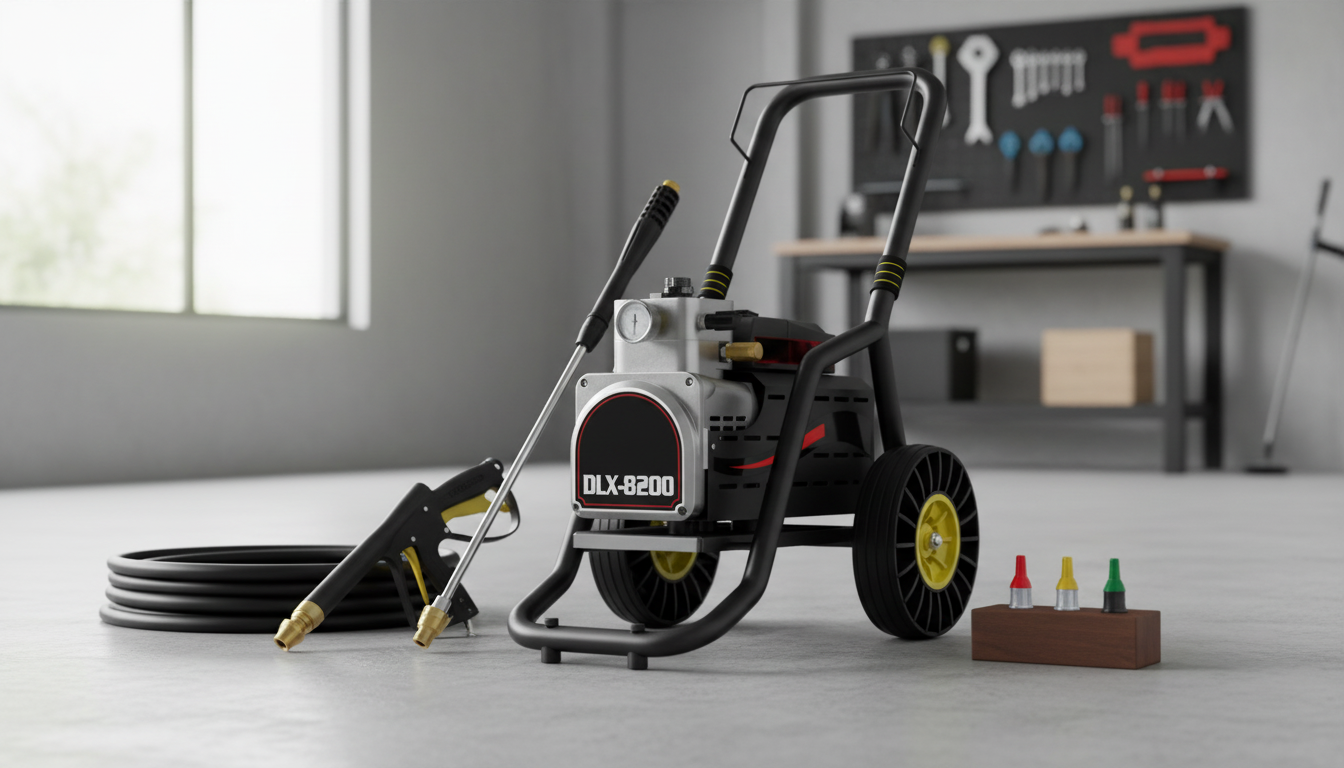
High-Power Electric Airless Paint Sprayer for Professional Use: Fast Coverage, Consistent Finish, Less Downtime
A high-power electric airless sprayer is built for crews that need speed, uniform coverage, and dependable operation across long days of rolling doors, trim, cabinets, siding, fences, and interior walls. The advantage is simple: pressure-driven atomization pushes coatings through the tip at a steady rate, helping you lay down a durable film quickly with less roller texture and fewer stop-and-start moments.
What separates a “works in the shop” unit from a jobsite-ready system is how well it holds pressure, how easily it accepts common tips/filters/hoses, and how little time it takes to keep it clean and predictable. Below is a practical breakdown of where an electric airless sprayer shines, what to look for, and how to protect your finish (and your crew) when spraying at high pressure.
Where a High-Power Electric Airless Sprayer Fits Best
- Large surface areas where production speed matters: walls, ceilings, siding, fencing, decks, and shop work where a consistent fan pattern keeps you moving.
- Thicker coatings that benefit from higher-pressure atomization: many primers and exterior paints spray well with the right tip and pressure—always follow coating manufacturer guidance for spray application.
- Multi-room or multi-day projects: repeatable settings and stable output reduce rework from striping, holidays, or mismatched sheen.
- Teams aiming for uniform film build: fewer refills (compared to small cup guns) and less texture than roller-only approaches when applied correctly.
Electric airless equipment is especially useful when the schedule rewards fast coverage. If the job is primarily fine-finish furniture or ultra-low overspray in an occupied space, an HVLP setup may still be the better fit. For most production repainting and new construction spraying, airless is often the fastest path to consistent coverage.
What to Look for in a Jobsite-Ready Electric Airless System
- Stable pressure control: consistent pressure helps maintain a clean, even fan pattern and reduces tails, striping, and orange peel when changing angles or moving between surfaces.
- Durable pump design and serviceability: wear parts are normal; prioritize designs that support routine replacement and straightforward cleaning.
- Hose reach and flexibility: longer hose runs improve productivity, but they also demand correct pressure settings and clean filtration to keep the pattern steady at the gun.
- Tip and filter ecosystem: easy access to common tip sizes and filters helps match coatings to surfaces without constant clogging or a rough pattern.
- Portability and setup speed: carts, solid handles, and an intuitive prime/spray/clean layout reduce downtime across multiple rooms or days.
Quick Job Fit Checklist
| Job type | Coating behavior | Recommended setup focus | Quality checkpoint |
|---|---|---|---|
| Interior walls & ceilings | Medium viscosity; frequent masking | Steady pressure control, manageable hose routing | Even overlap and consistent edge work |
| Siding & fences | Outdoor overspray risk; variable wind | Correct tip size, shielding, controlled distance | Uniform coverage without dry spray |
| Trim & doors | Higher finish expectations | Filtration, smaller tip selection, slower passes | Low spatter; minimal texture |
| Primers and heavy coatings | Higher solids; clog potential | Proper filters, tip matched to coating, thorough straining | No pulsation; no tails in fan pattern |
Setup Basics That Prevent Common Spray Problems
Daily Cleaning and Maintenance Routine (Protecting the Pump and Finish)
Safety Practices for High-Pressure Airless Spraying
- Take injection hazards seriously: high-pressure spray can penetrate skin; never point the gun at anyone and never put fingers near the tip.
- Use tip guards and trigger safety: keep guards installed and engage the trigger lock whenever you’re moving, climbing, or clearing a clog.
- Wear the right PPE: eye protection, gloves, protective clothing, and a respirator appropriate for the coating and environment. NIOSH provides practical guidance on selecting and using respirators: https://www.cdc.gov/niosh/topics/respirators/.
- Control ventilation and ignition sources: follow the product SDS; keep sparks and flames away; consider VOC impacts for indoor work (EPA overview): https://www.epa.gov/indoor-air-quality-iaq/volatile-organic-compounds-vocs.
- Follow the pressure-relief routine: relieve pressure before servicing, switching tips, or clearing clogs. For hazard awareness resources, see OSHA’s safety information portal: https://www.osha.gov/.
High-Power Electric Airless Paint Sprayer for Professional Use (Product Snapshot)
For crews that prioritize fast coverage and repeatable application across many jobs, the High-Power Electric Airless Paint Sprayer for Professional Use is positioned as a professional workflow tool: set it up, maintain steady output, and stay productive across large areas while still having the flexibility to shift into detail work by pairing the correct tip and filtration approach for each coating.
| Item | Details |
|---|---|
| Product | High-Power Electric Airless Paint Sprayer for Professional Use |
| Price | 1692.49 USD |
| Availability | In stock |
| MPN / SKU | 39302 / 14:350852 |
Related in-stock picks for busy crews
- Shock-Resistant Bike Phone Holder for secure navigation or jobsite checklists during transport between locations.
- Infrared Sauna for One Person for off-hours recovery after long prep-and-spray days.
FAQ
What’s the difference between an airless sprayer and an HVLP sprayer?
Airless sprayers atomize coating using high pressure, which typically delivers faster coverage on large surfaces and handles heavier coatings well with the right tip. HVLP uses high volume at low pressure for tighter control and is often preferred for fine-finish work on smaller pieces, though it can be slower and still requires careful masking to manage overspray.
Do airless sprayers need paint to be thinned?
Not always—many coatings are designed to spray as-is when you use the correct tip size and pressure settings. Follow the coating manufacturer’s guidance; over-thinning can reduce film build, hide, and durability, while straining and clean filtration often do more to prevent clogs.
How often should spray tips and filters be replaced?
Replace them when performance changes: a widening fan, tails at the edges, uneven pattern, increased overspray, or frequent clogs are common signs. The exact interval depends on usage and coating abrasiveness, but routine inspection and timely replacement help keep the finish consistent and reduce downtime.


