-
Shop
- Adidas
- Advanced Technologies
- AI Skills
- Armani Fashion
- Beauty
- Best Sellers
- Calvin Klein Fashion
- Car Accessories
- Car Buying & Ownership
- Car Electronics
- Confidence
- Dating & Social Skills
- Denim
- 7FOR
- AGOLDE
- Antony Morato
- Armani Exchange
- Boss
- Brunello Cucinelli
- Calvin Klein Jeans
- Costume National
- Desigual
- Diesel
- Dolce & Gabbana
- Dsquared²
- Ermanno Scervino
- Fendi
- Gianni Lupo
- Guess Jeans
- Ichi
- Just Cavalli
- Lee
- Levi's
- Liu Jo
- Morgan De Toi
- Mother Denim
- Only
- Pepe Jeans
- Pinko
- Replay
- Tommy Hilfiger Jeans
- Valentino
- Vero Moda
- Education & Learning
- Family & Parenting
- Fashion
- Alexander McQueen
- Bags
- Bags & Wallets
- Balenciaga
- Belts
- Blazers
- Blouses & Shirts
- Bottega Veneta
- Brunello Cucinelli
- Burberry
- Chanel
- Chloé
- Dior
- Dolce & Gabbana
- Dresses
- Etro
- Gucci
- Hats & Hair Accessories
- Hoodies & Sweatshirts
- Jewelry
- Jil Sander
- Jimmy Choo
- Keychains
- Kiton
- Luggage
- Luggage Bags
- Miu Miu
- Off-White
- Outerwear
- Prada
- Rick Owens
- Saint Laurent
- Shoe Accessories
- Socks & Tights
- Sunglasses
- Sweaters & Cardigans
- The Row
- Tom Ford
- Valentino Garavani
- Versace
- Vivienne Westwood
- Watches
- Fashion Accessories
- Financial Education
- Furniture
- Furniture & Decor
- Gadgets
- Gadgets & Electronics
- Guess Fashion
- Health & Beauty
- Health & Wellness
- Home & Garden
- Home Styling & Organization
- Home Supplies
- Interior Accessories
- Kids & Babies
- Kitchen & Dining
- Lighting
- Mindset
- Nike
- Outdoors
- Parenting & Child Development
- Patio, Lawn & Garden
- Personal Growth
- Personal Style & Fashion
- Pet Care
- Pet Lifestyle & Wellness
- Pet Supplies
- Pets
- Road Trip Accessories
- Shoes
- Special Deals
- Sport & Outdoors
- Storage & Organization
- Summer 2025 Fashion Collection
- Super Deals
- Tommy Hilfiger Fashion
- Travel
- Travel & Adventure
- Wealth
- Wealth Building
- Budgeting & Saving
- Cryptocurrency Investing
- Debt Management
- Entrepreneurship & Business Growth
- Family Finance & Budgeting
- Financial Independence
- Financial Mindset & Psychology
- Financial Planning
- Frugal Living & Expense Hacks
- Goal Setting
- High-Income Skills
- Investing Basics
- Leadership
- Networking & Mentorship
- Passive Income Strategies
- Real Estate Investing
- Side Hustles
- Stock Market Investing
- Wellness
- Winter Fashion
- YouTube Shorts Best-Sellers
- Popular
- Best deals
Portable Pet Water Bottle Tips for Walks & Travel
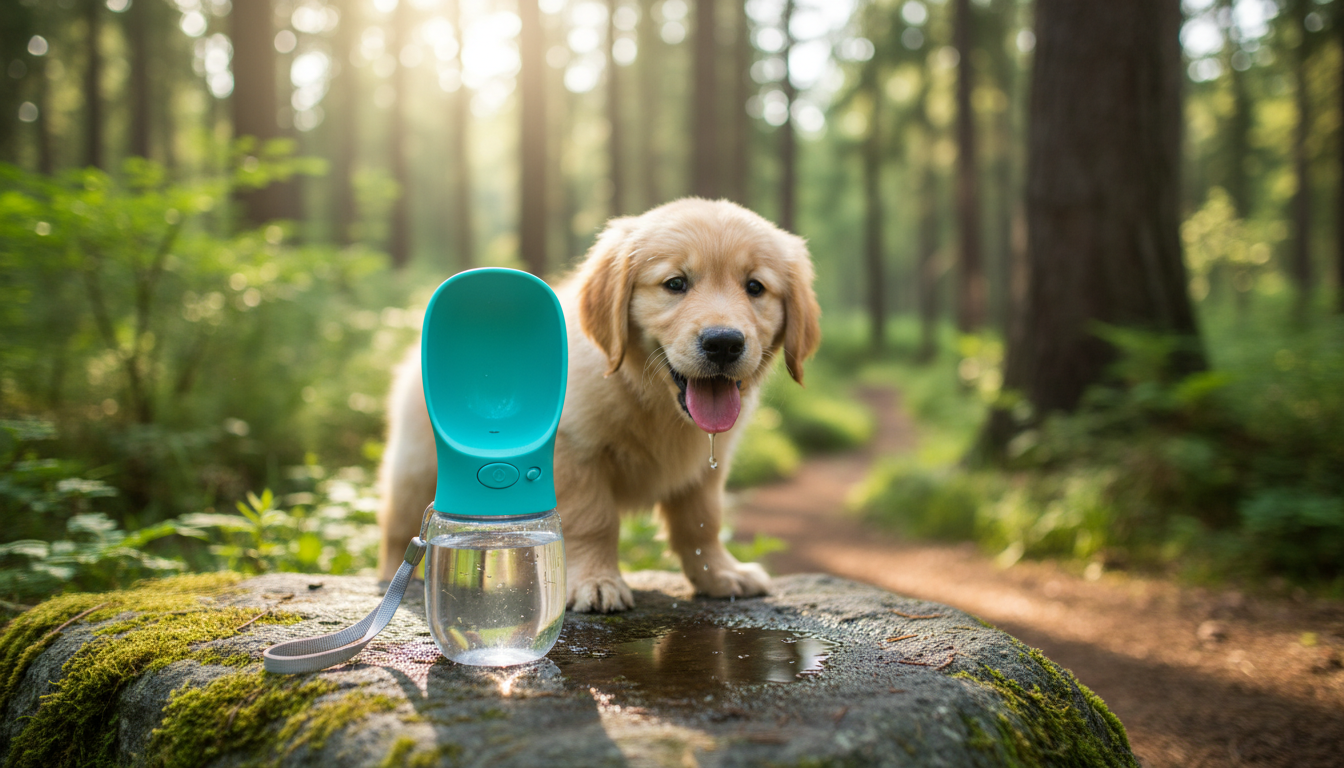
Portable Pet Water Bottle for Walks, Travel, and Hot Days
Keeping pets hydrated outside the house is easier when water, a drinking tray, and a spill-control design are combined in one compact bottle. Whether you’re headed around the block, stopping at a patio, or driving across town, a portable pet water bottle makes it simple to offer quick drink breaks without hunting for a faucet or balancing a separate bowl. Below are the moments when it helps most, the features worth prioritizing, how to use it smoothly on the go, and how to keep it clean so water stays fresh for everyday walks, park trips, and longer travel days. For more guidance, see 【スケール】 Dog Water Bottle For Walking Leakproof Portable Pet ….
Why a travel water bottle helps beyond the backyard
Outdoor hydration can be unpredictable. A portable bottle gives you more control over what your pet drinks and when, especially in busy public areas. For further reading, see Pets Water Bottle | water-bottle.org.
- Reduces reliance on shared public bowls and questionable water sources during walks and outings.
- Encourages frequent, small drink breaks—helpful for active dogs, puppies, seniors, and short-nosed breeds that tire faster in heat.
- Helps manage portions so less water ends up on the ground (and less gets carried back in fur).
- Makes quick hydration stops simpler during errands, road trips, camping, and outdoor dining.
For warm-weather safety reminders, see guidance from the American Veterinary Medical Association (AVMA) and the CDC’s heat and pets resource.
Key features that matter most in a portable pet water bottle
Not all bottles pour the same way. The most convenient designs combine a simple drinking surface with a control that prevents mess and makes one-handed use realistic.
- Bottle-to-bowl design: A built-in trough or leaf-shaped tray lets pets drink without needing a separate collapsible bowl.
- One-hand operation: A button/valve control is easier to manage while holding a leash, bags, or a phone.
- Leak resistance: Look for a locking switch or tight seal to help prevent wet backpacks and damp car seats.
- Waste reduction: Some designs let unused water flow back into the bottle, reducing refills on longer routes.
- Carry options: A lanyard, clip, or a shape that fits cup holders and backpack side pockets makes it more likely you’ll actually bring it.
- Materials: Food-grade plastic (or similar) with smooth surfaces is typically easier to rinse, dry, and keep odor-free.
Choosing the right size for your pet and routine
Capacity is less about “one perfect number” and more about matching your typical outing, the weather, and how many pets you’re watering.
- Short walks (15–30 minutes): Smaller capacity often works well in mild weather, especially if you’re close to home.
- Longer outings or hot days: Go bigger so you don’t run out mid-route when panting ramps up.
- Multi-pet households: Plan extra water or bring a second bottle so each pet gets comfortable access without rushing.
- Car travel: A bottle that fits a cup holder and stays sealed if tipped is a major quality-of-life upgrade.
- Cats on the go: Quieter, slower-pour designs can be less startling in carriers or unfamiliar environments.
| Scenario | What to prioritize | Notes |
|---|---|---|
| Neighborhood walk | Easy one-hand squeeze/dispense | Offer small drinks at intersections or rest points |
| Hike or long park session | Higher capacity + leak lock | Plan extra for warm weather and high activity |
| Road trip | Cup-holder friendly + spill control | Pause for water at rest stops and after play breaks |
| Outdoor café or events | Quiet, tidy drinking tray | Helps avoid puddles around tables and chairs |
How to use a portable bottle smoothly on walks and trips
A little practice prevents most “why won’t my dog drink from this?” moments. The goal is calm, frequent hydration without turning every stop into a splash zone.
- Start at home: Let your pet sniff the bottle first, then dispense a small pool into the tray so they can lick and learn the shape.
- Offer small sips often: Short drink breaks are easier on many dogs than one long gulp, especially after bursts of running.
- Keep the tray level: Hold it steady and dispense slowly to avoid overflow and keep the drinking surface comfortable.
- Drain leftovers when possible: If the design supports water return, send unused water back before you start walking again (so it doesn’t slosh out).
- Use heat-smart timing: Take shade breaks and watch for heavy panting, sluggishness, or reluctance to continue—then shorten the route or head indoors.
Cleaning and maintenance for fresh-tasting water
When a portable bottle is especially useful
A simple option to keep in the car, backpack, or leash bag
- Portable Pet Water Bottle for compact, bowl-free hydration on walks, park trips, and errands.
- Shock-Resistant Bike Phone Holder for hands-free navigation and safer leash management on bike-friendly routes and longer outdoor outings.
FAQ
How often should a dog drink water during a long walk or hike?
Offer small sips regularly rather than waiting for one big drink, and increase the frequency in hot weather or during higher activity. Watch for signs of overheating (heavy panting, slowing down, confusion) and follow your veterinarian’s guidance for your dog’s specific needs.
Can the water in the tray be put back into the bottle?
Some bottles are designed to drain unused water back into the reservoir to reduce waste. Only return it if the water still looks clean; if your pet slobbered heavily or debris got into the tray, discard the leftover and refill when possible.
How do you clean a portable pet water bottle to prevent odor?
Rinse after each use, then wash with mild dish soap and warm water, focusing on the tray edges and valve/seal area. Rinse thoroughly and air-dry fully with the lid open; replace worn seals or the bottle if smells persist or leaks start.


