-
Shop
- Adidas
- Advanced Technologies
- AI Skills
- Armani Fashion
- Beauty
- Best Sellers
- Calvin Klein Fashion
- Car Accessories
- Car Buying & Ownership
- Car Electronics
- Confidence
- Dating & Social Skills
- Denim
- 7FOR
- AGOLDE
- Antony Morato
- Armani Exchange
- Boss
- Brunello Cucinelli
- Calvin Klein Jeans
- Costume National
- Desigual
- Diesel
- Dolce & Gabbana
- Dsquared²
- Ermanno Scervino
- Fendi
- Gianni Lupo
- Guess Jeans
- Ichi
- Just Cavalli
- Lee
- Levi's
- Liu Jo
- Morgan De Toi
- Mother Denim
- Only
- Pepe Jeans
- Pinko
- Replay
- Tommy Hilfiger Jeans
- Valentino
- Vero Moda
- Education & Learning
- Family & Parenting
- Fashion
- Alexander McQueen
- Bags
- Bags & Wallets
- Balenciaga
- Belts
- Blazers
- Blouses & Shirts
- Bottega Veneta
- Brunello Cucinelli
- Burberry
- Chanel
- Chloé
- Dior
- Dolce & Gabbana
- Dresses
- Etro
- Gucci
- Hats & Hair Accessories
- Hoodies & Sweatshirts
- Jewelry
- Jil Sander
- Jimmy Choo
- Keychains
- Kiton
- Luggage
- Luggage Bags
- Miu Miu
- Off-White
- Outerwear
- Prada
- Rick Owens
- Saint Laurent
- Shoe Accessories
- Socks & Tights
- Sunglasses
- Sweaters & Cardigans
- The Row
- Tom Ford
- Valentino Garavani
- Versace
- Vivienne Westwood
- Watches
- Fashion Accessories
- Financial Education
- Furniture
- Furniture & Decor
- Gadgets
- Gadgets & Electronics
- Guess Fashion
- Health & Beauty
- Health & Wellness
- Home & Garden
- Home Styling & Organization
- Home Supplies
- Interior Accessories
- Kids & Babies
- Kitchen & Dining
- Lighting
- Mindset
- Nike
- Outdoors
- Parenting & Child Development
- Patio, Lawn & Garden
- Personal Growth
- Personal Style & Fashion
- Pet Care
- Pet Lifestyle & Wellness
- Pet Supplies
- Pets
- Road Trip Accessories
- Shoes
- Special Deals
- Sport & Outdoors
- Storage & Organization
- Summer 2025 Fashion Collection
- Super Deals
- Tommy Hilfiger Fashion
- Travel
- Travel & Adventure
- Wealth
- Wealth Building
- Budgeting & Saving
- Cryptocurrency Investing
- Debt Management
- Entrepreneurship & Business Growth
- Family Finance & Budgeting
- Financial Independence
- Financial Mindset & Psychology
- Financial Planning
- Frugal Living & Expense Hacks
- Goal Setting
- High-Income Skills
- Investing Basics
- Leadership
- Networking & Mentorship
- Passive Income Strategies
- Real Estate Investing
- Side Hustles
- Stock Market Investing
- Wellness
- Winter Fashion
- YouTube Shorts Best-Sellers
- Popular
- Best deals
Lightweight Aluminum Pet Stroller for Dogs & Cats
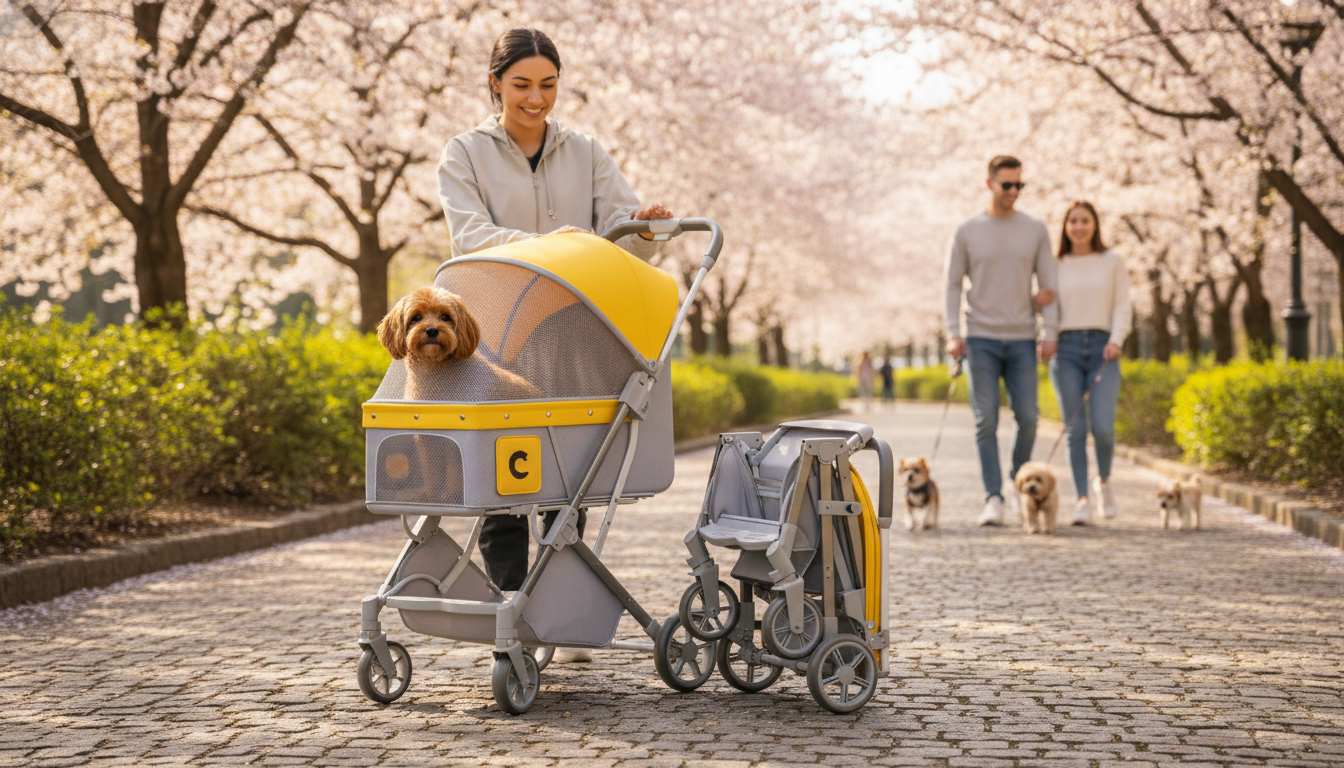
Lightweight Aluminium Pet Stroller for Small to Medium Dogs and Cats
A pet stroller can make everyday outings easier when a dog or cat tires quickly, is recovering from a procedure, or needs a calmer way to handle busy sidewalks. This lightweight aluminium stroller is designed to help small to medium pets ride comfortably while keeping handling simple for owners on walks, errands, and vet trips. For more guidance, see ibiyaya Debuts the Maxi Deep Carriage Stroller with Smart Folding ….
Unlike makeshift carriers that can pull on your shoulder or leave a pet feeling exposed, a stroller creates a defined space with smoother movement, steadier stops, and more predictable control in crowded environments. For many households, it’s the difference between skipping outings entirely and keeping a pet included in daily life. For further reading, see Traveler’s Pet Corner – IATA.
Who a pet stroller helps most
- Senior pets that still enjoy fresh air but can’t walk long distances
- Small breeds that struggle with hot pavement, rough terrain, or crowded areas
- Pets recovering from injury or surgery where movement needs to be limited
- Cats that travel better with a covered, secure ride to the vet or groomer
- Nervous pets that do better with a defined “safe space” in public
If your pet alternates between enthusiastic walking and sudden “carry me” moments, a stroller can keep outings predictable without pushing them past their comfort level.
Highlights that matter day to day
- Aluminium frame supports a lighter carry and easier steering compared with heavier builds
- Stroller-style handling helps reduce strain during longer outings
- Enclosed cabin area can help limit sudden jumps and provide a calmer ride
- Great for mixed outings where a pet walks part of the time and rides part of the time
- Practical for city living, apartment storage, and quick errands
Everyday use cases and what to look for
| Use case | Why a stroller helps | What to prioritize |
|---|---|---|
| Vet or grooming trips | Reduces stress and prevents bolting in parking lots | Secure enclosure, easy access, stable wheels |
| Senior pet neighborhood walks | Extends outdoor time without overexertion | Smooth ride, comfortable interior, easy pushing |
| Crowded sidewalks or events | Prevents paw injuries and accidental stepping | Maneuverability, braking, visibility |
| Post-recovery limited movement | Supports gentle outdoor exposure without strain | Stable frame, controlled entry, easy cleaning |
| Multi-pet households | One pet can ride while another walks | Quick fold, storage space, simple steering |
Comfort and safety basics to confirm before each outing
- Fit check: your pet should be able to sit or lie down comfortably without pressing against the canopy
- Ventilation check: ensure airflow isn’t blocked by blankets, bags, or rain covers
- Secure restraint: attach any internal tether to a harness (not a collar) to reduce neck strain
- Brake routine: engage brakes whenever stopped on slopes, curbs, or while loading/unloading
- Surface awareness: avoid deep gravel, loose sand, and uneven trails unless the stroller is built for it
For travel safety reminders that apply to any transport method (carriers, crates, or strollers), the American Veterinary Medical Association (AVMA) offers helpful guidance on planning calmer trips.
Handling and portability for real-world storage
- Lightweight builds are easier to lift into a trunk and carry up stairs
- Folding strollers store well in closets, entryways, or car cargo areas
- Wheel size and turning radius influence how easily you navigate tight corners and store aisles
- Stable stance reduces tip risk when turning or crossing small bumps
- Storage planning matters: decide where the stroller will “live” at home and in the car
If you regularly juggle keys, phone, and leash, a stable, easy-steering stroller can feel like a big upgrade on quick errand runs. General pet safety reminders—especially around busy public spaces—can also be found through the ASPCA’s pet safety tips.
Choosing the right size for small to medium pets
- Measure length (nose to base of tail) and seated height (floor to top of head/ears) so the cabin feels roomy
- Confirm weight capacity against your pet’s current weight plus any travel items kept inside the cabin
- Long-backed dogs benefit from extra interior length; tall sitters need canopy height
- Cats often do best with a more enclosed feel and a smooth ride to minimize stress
- If between sizes, prioritize comfort and safe turning rather than the tightest fit
In warmer months, strollers can still be a great option—just treat heat management like a checklist item. Shade, ventilation, and shorter outings help reduce risk on hot days; the AKC’s hot weather safety tips are a useful reference for planning.
Care, cleaning, and keeping it rolling smoothly
When this stroller is a strong fit
For a closer look at the available model, see the Lightweight Aluminium Pet Stroller for Small to Medium Dogs and Cats.
Quick buying checklist
More in-stock picks for on-the-go routines
- Lightweight Aluminium Pet Stroller for Small to Medium Dogs and Cats — a practical ride option for pets who need breaks, calmer travel, or post-procedure support.
- Shock-Resistant Bike Phone Holder — helpful for keeping your phone secure and visible during long walks or errands when you want hands free for pushing and steering.
FAQ
Can a cat ride in a pet stroller comfortably?
Yes, many cats do well in a stroller when the space feels secure and airflow is strong. Introduce it at home first, use a harness with the internal tether, and start with short, quiet trips.
Is a harness required when using a stroller?
A harness is strongly recommended when you use an internal tether because it avoids pressure on the neck compared with a collar. It also helps prevent sudden jumps when the stroller is opened.
What size pet is considered small to medium for a stroller?
It depends on the specific model, so check weight capacity along with your pet’s body length and seated height. The goal is a comfortable cabin fit while keeping the stroller stable when turning.


