-
Shop
- Adidas
- Advanced Technologies
- AI Skills
- Armani Fashion
- Beauty
- Best Sellers
- Calvin Klein Fashion
- Car Accessories
- Car Buying & Ownership
- Car Electronics
- Confidence
- Dating & Social Skills
- Denim
- 7FOR
- AGOLDE
- Antony Morato
- Armani Exchange
- Boss
- Brunello Cucinelli
- Calvin Klein Jeans
- Costume National
- Desigual
- Diesel
- Dolce & Gabbana
- Dsquared²
- Ermanno Scervino
- Fendi
- Gianni Lupo
- Guess Jeans
- Ichi
- Just Cavalli
- Lee
- Levi's
- Liu Jo
- Morgan De Toi
- Mother Denim
- Only
- Pepe Jeans
- Pinko
- Replay
- Tommy Hilfiger Jeans
- Valentino
- Vero Moda
- Education & Learning
- Family & Parenting
- Fashion
- Alexander McQueen
- Bags
- Bags & Wallets
- Balenciaga
- Belts
- Blazers
- Blouses & Shirts
- Bottega Veneta
- Brunello Cucinelli
- Burberry
- Chanel
- Chloé
- Dior
- Dolce & Gabbana
- Dresses
- Etro
- Gucci
- Hats & Hair Accessories
- Hoodies & Sweatshirts
- Jewelry
- Jil Sander
- Jimmy Choo
- Keychains
- Kiton
- Luggage
- Luggage Bags
- Miu Miu
- Off-White
- Outerwear
- Prada
- Rick Owens
- Saint Laurent
- Shoe Accessories
- Socks & Tights
- Sunglasses
- Sweaters & Cardigans
- The Row
- Tom Ford
- Valentino Garavani
- Versace
- Vivienne Westwood
- Watches
- Fashion Accessories
- Financial Education
- Furniture
- Furniture & Decor
- Gadgets
- Gadgets & Electronics
- Guess Fashion
- Health & Beauty
- Health & Wellness
- Home & Garden
- Home Styling & Organization
- Home Supplies
- Interior Accessories
- Kids & Babies
- Kitchen & Dining
- Lighting
- Mindset
- Nike
- Outdoors
- Parenting & Child Development
- Patio, Lawn & Garden
- Personal Growth
- Personal Style & Fashion
- Pet Care
- Pet Lifestyle & Wellness
- Pet Supplies
- Pets
- Road Trip Accessories
- Shoes
- Special Deals
- Sport & Outdoors
- Storage & Organization
- Summer 2025 Fashion Collection
- Super Deals
- Tommy Hilfiger Fashion
- Travel
- Travel & Adventure
- Wealth
- Wealth Building
- Budgeting & Saving
- Cryptocurrency Investing
- Debt Management
- Entrepreneurship & Business Growth
- Family Finance & Budgeting
- Financial Independence
- Financial Mindset & Psychology
- Financial Planning
- Frugal Living & Expense Hacks
- Goal Setting
- High-Income Skills
- Investing Basics
- Leadership
- Networking & Mentorship
- Passive Income Strategies
- Real Estate Investing
- Side Hustles
- Stock Market Investing
- Wellness
- Winter Fashion
- YouTube Shorts Best-Sellers
- Popular
- Best deals
Flowerpot Cat Litter Box: Smart Deodorizing, Spacious
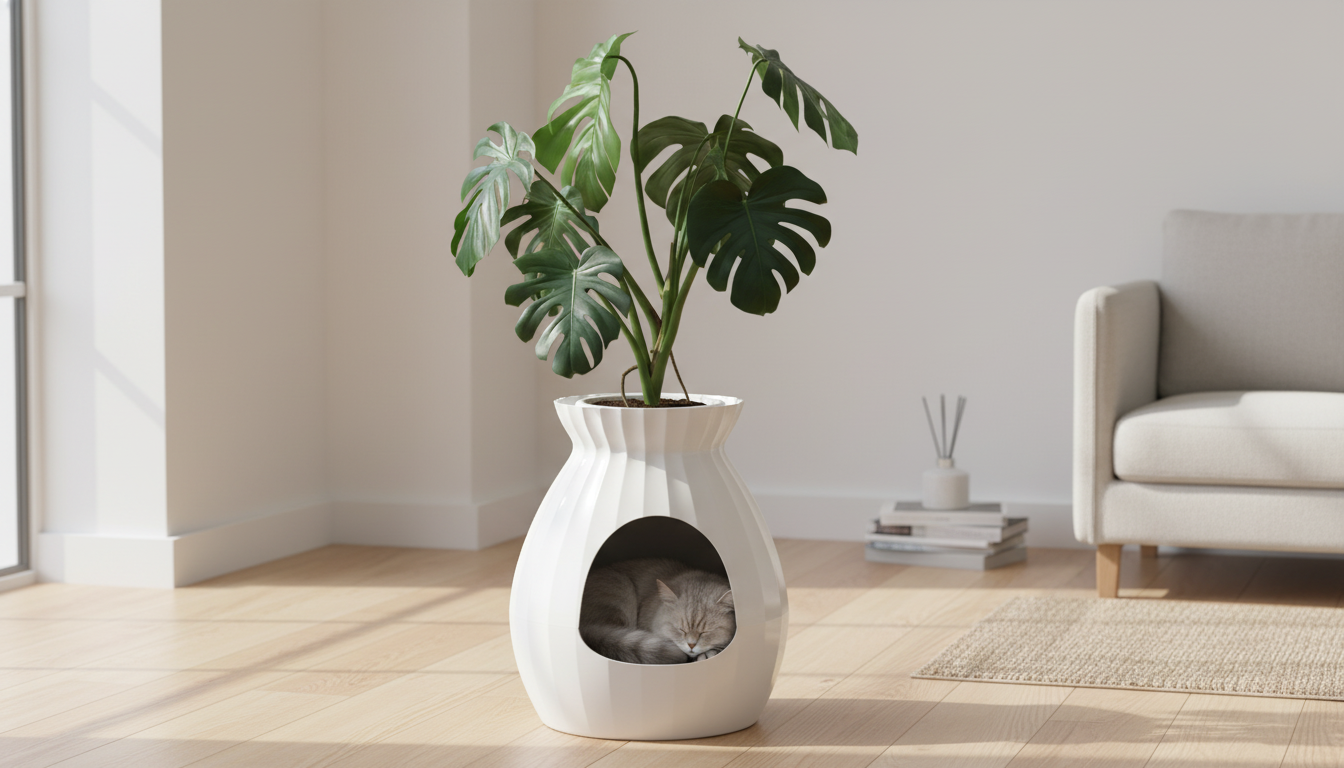
Modern Flowerpot-Style Cat Litter Box with Smart Deodorization and Spacious Design
A litter box can blend into a room without sacrificing comfort for a cat or convenience for a household. This flowerpot-style design focuses on discreet placement, a roomy interior for daily use, and built-in deodorization support to help keep common odor issues under control. Below is a practical breakdown of what to expect, how it fits different homes, and how to set it up for smoother routines.
What makes the flowerpot-style design different
Unlike standard pans that look like pet gear, a flowerpot-style litter box is meant to read more like decor. The planter-inspired silhouette helps the litter area feel less utilitarian in living rooms, bedrooms, or entryways where a traditional box can feel visually “loud.”
- Decor-forward shape intended to resemble a planter, helping the litter area feel less utilitarian in living rooms, bedrooms, or entryways.
- Enclosed form factor that can reduce scattered litter and visual clutter compared with open trays.
- More privacy for cats that prefer a covered space, while still aiming for easy access and cleaning.
- Works best when placed where a real plant would normally sit: stable surface, low traffic, and away from food and water.
Placement matters more with a decorative enclosure: a steady, level spot prevents wobble, and a lower-traffic corner helps timid cats feel secure enough to commit to the new setup.
Smart deodorization: what it can help with (and what it can’t)
Deodorization features are most helpful for the “in-between” time: after a cat uses the box but before the next scoop. In apartments, home offices, or multi-use rooms, that extra support can take the edge off everyday odor buildup.
- Designed to address everyday odor buildup that happens between scoopings, especially in smaller apartments or multi-use rooms.
- Best results come from pairing deodorization with the basics: clumping litter, consistent scooping, and periodic full litter changes.
- Odor control is strongly influenced by humidity, diet, and litter type; performance may vary by household.
- Keep airflow in mind: placing any enclosed litter box in a tight cabinet or closed closet can trap smells rather than reduce them.
For households troubleshooting persistent smells, reputable guidance on litter habits and box hygiene can be useful. See the American Association of Feline Practitioners (AAFP) Cat Friendly Home resources and the ASPCA’s overview of litter box problems for practical troubleshooting steps.
Spacious interior and cat comfort
A common reason cats avoid a litter box is that it feels cramped, awkward to turn around in, or messy to navigate with a full coat. A roomier interior helps support normal movement: enter, turn, dig, cover, and exit without bumping walls.
- Roomier layouts can help cats turn around comfortably, which may reduce accidents caused by cramped boxes.
- Supports more natural digging and covering behavior, which can also reduce odor by keeping waste covered.
- Helpful for larger cats or cats with longer coats that need extra clearance to avoid brushing against walls.
- For kittens, seniors, or cats with mobility issues, check entry height and provide a stable step if needed.
If a cat is hesitant about an enclosed space, keep the environment calm during the transition (no loud laundry machines nearby, no surprise foot traffic), and let the cat investigate at its own pace.
Daily use: setup, placement, and routines that keep it fresh
A covered, decor-style box shines when the routine is consistent. Small daily actions prevent odors from “setting” into surfaces and keep the interior pleasant for a cat with a strong sense of smell.
Cleaning and maintenance that protects the finish
Quick comparison: flowerpot-style enclosed box vs common alternatives
| Style | Best for | Trade-offs |
|---|---|---|
| Flowerpot-style enclosed | Discreet placement, odor management, cats that prefer privacy | Needs regular cleaning; entry height may not suit every cat |
| Open tray | Easy access, quick scooping, kittens and seniors | More odor spread; higher litter tracking |
| Top-entry | Reducing tracking, households with dogs that raid litter | Not ideal for mobility-limited cats |
| Self-cleaning | Reducing daily scooping time | Higher cost; maintenance still required |
Who it suits best
Product details and what arrives
If the goal is an indoor litter solution that looks more like home decor while supporting odor control and roomy comfort, the Modern Flowerpot-Style Cat Litter Box with Smart Deodorization and Spacious Design is in stock and designed for discreet placement in everyday rooms. Before purchasing, confirm the footprint for your planned location and make sure the entry style matches your cat’s age and mobility.
More in-stock picks
- Shock-Resistant Bike Phone Holder (helpful for keeping navigation visible on supply runs or vet trips).
- Infrared Sauna for One Person (a home-comfort upgrade for decompression after deep-clean day routines).
FAQ
Will an enclosed litter box make odors worse?
It can if cleaning is infrequent or ventilation is poor, because an enclosure may trap odors. Deodorization support helps, but it doesn’t replace daily scooping and regular deep cleaning.
How often should the litter be fully changed in a covered box?
Often every 2–4 weeks, depending on litter type, how many cats use it, and how consistently it’s scooped. Change it sooner if odors linger right after scooping, clumps start breaking apart, or residue builds up on the bottom or walls.
Is this style suitable for large cats or multi-cat homes?
A spacious interior can be a strong fit for larger cats by giving them room to turn and dig comfortably. For multi-cat homes, aim for one box per cat plus one extra when possible, and plan on more frequent scooping to keep the enclosed space fresh.


