-
Shop
- Adidas
- Advanced Technologies
- AI Skills
- Armani Fashion
- Beauty
- Best Sellers
- Calvin Klein Fashion
- Car Accessories
- Car Buying & Ownership
- Car Electronics
- Confidence
- Dating & Social Skills
- Denim
- 7FOR
- AGOLDE
- Antony Morato
- Armani Exchange
- Boss
- Brunello Cucinelli
- Calvin Klein Jeans
- Costume National
- Desigual
- Diesel
- Dolce & Gabbana
- Dsquared²
- Ermanno Scervino
- Fendi
- Gianni Lupo
- Guess Jeans
- Ichi
- Just Cavalli
- Lee
- Levi's
- Liu Jo
- Morgan De Toi
- Mother Denim
- Only
- Pepe Jeans
- Pinko
- Replay
- Tommy Hilfiger Jeans
- Valentino
- Vero Moda
- Education & Learning
- Family & Parenting
- Fashion
- Alexander McQueen
- Bags
- Bags & Wallets
- Balenciaga
- Belts
- Blazers
- Blouses & Shirts
- Bottega Veneta
- Brunello Cucinelli
- Burberry
- Chanel
- Chloé
- Dior
- Dolce & Gabbana
- Dresses
- Etro
- Gucci
- Hats & Hair Accessories
- Hoodies & Sweatshirts
- Jewelry
- Jil Sander
- Jimmy Choo
- Keychains
- Kiton
- Luggage
- Luggage Bags
- Miu Miu
- Off-White
- Outerwear
- Prada
- Rick Owens
- Saint Laurent
- Shoe Accessories
- Socks & Tights
- Sunglasses
- Sweaters & Cardigans
- The Row
- Tom Ford
- Valentino Garavani
- Versace
- Vivienne Westwood
- Watches
- Fashion Accessories
- Financial Education
- Furniture
- Furniture & Decor
- Gadgets
- Gadgets & Electronics
- Guess Fashion
- Health & Beauty
- Health & Wellness
- Home & Garden
- Home Styling & Organization
- Home Supplies
- Interior Accessories
- Kids & Babies
- Kitchen & Dining
- Lighting
- Mindset
- Nike
- Outdoors
- Parenting & Child Development
- Patio, Lawn & Garden
- Personal Growth
- Personal Style & Fashion
- Pet Care
- Pet Lifestyle & Wellness
- Pet Supplies
- Pets
- Road Trip Accessories
- Shoes
- Special Deals
- Sport & Outdoors
- Storage & Organization
- Summer 2025 Fashion Collection
- Super Deals
- Tommy Hilfiger Fashion
- Travel
- Travel & Adventure
- Wealth
- Wealth Building
- Budgeting & Saving
- Cryptocurrency Investing
- Debt Management
- Entrepreneurship & Business Growth
- Family Finance & Budgeting
- Financial Independence
- Financial Mindset & Psychology
- Financial Planning
- Frugal Living & Expense Hacks
- Goal Setting
- High-Income Skills
- Investing Basics
- Leadership
- Networking & Mentorship
- Passive Income Strategies
- Real Estate Investing
- Side Hustles
- Stock Market Investing
- Wellness
- Winter Fashion
- YouTube Shorts Best-Sellers
- Popular
- Best deals
Adjustable Hinged Knee Brace: Fit, Use & Safety Tips
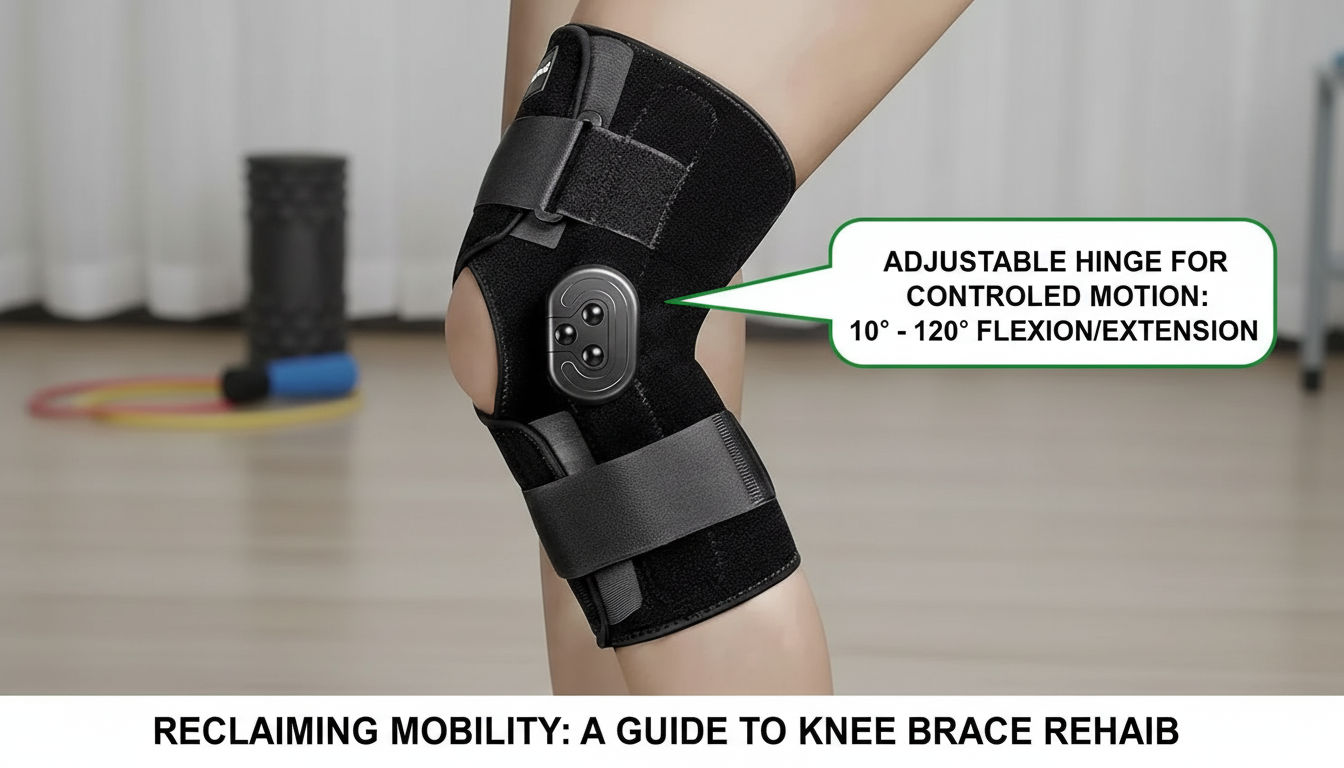
Adjustable Hinged Knee Brace for ACL, Meniscus, Arthritis, and Daily Recovery
A hinged knee brace can help stabilize the joint when ligaments or cartilage are healing, when arthritis makes movement unpredictable, or when extra support is needed during work, walking, or training. Hinges are designed to add structure on the sides of the knee, helping guide bending and straightening while reducing the “wobble” that can trigger pain or a giving-way feeling.
Below is a practical guide to what hinged support does, when it’s most useful, how to fit it comfortably, and how to use it safely day to day.
What a Hinged Knee Brace Does (and What It Doesn’t)
- Adds side-to-side stability to help reduce unwanted knee motion that can irritate an ACL injury or meniscus tear.
- Supports the joint during walking, stairs, and light activity by helping guide bending and straightening.
- Can improve confidence during movement, which may help maintain better form and reduce compensations (like limping or overloading the other leg).
- Does not “heal” a torn ligament or meniscus on its own; it’s a support tool alongside medical guidance, rehab, and activity modification.
- Pain, swelling, locking, or giving-way that worsens should be evaluated by a clinician.
For condition background and red flags, you can review authoritative references from AAOS OrthoInfo (ACL injuries) and AAOS OrthoInfo (meniscus tears).
When Hinged Support Is Most Helpful
- ACL sprain or post-injury instability: helps limit uncomfortable side-to-side motion during daily activities.
- Meniscus irritation or tear: may help reduce strain during walking and pivoting (especially when avoiding deep squats/twists).
- Arthritis or general joint wear: can provide a steadier feel and reduce perceived load during movement (see NIAMS: Osteoarthritis).
- Post-workout or overuse flare-ups: useful for short-term stability while swelling calms down.
- Return-to-activity phases: provides a structured layer of support while strength and control rebuild.
Key Features to Look For in an Adjustable Hinged Brace
- Dual hinges or side stabilizers for consistent medial/lateral support.
- Adjustable straps that allow a secure fit without cutting off circulation.
- Breathable, skin-friendly materials to reduce slipping and irritation during longer wear.
- Low-bulk profile that fits under looser pants or over leggings depending on comfort.
- Anti-slip design elements (strap layout, contouring) to help prevent migration during walking.
- Easy on/off design for people who may have stiffness or limited mobility.
Fit and Sizing: Getting Support Without Numbness
Comfort and alignment matter as much as the brace itself. A brace that’s too loose slides; too tight can cause tingling, pressure points, or swelling above/below the straps.
- Measure thigh and calf circumference where the brace will sit; match to the sizing guidance on the product page.
- Position the hinge so it aligns with the knee’s natural bend point; misalignment can cause rubbing or reduced support.
- Tighten straps from the middle outward to distribute pressure more evenly.
- Check circulation after 5–10 minutes: no tingling, numbness, or discoloration; loosen if any occur.
- If the brace slides down, try slightly higher placement on the thigh, retighten in sequence, and wear over a thin sleeve if skin is slippery.
- For sensitive skin, start with shorter wear periods to confirm no hotspots develop.
How to Use It for Common Scenarios (Practical Guidance)
Quick Setup Guide by Condition and Activity
| Situation | Primary Goal | Fit Priority | Activity Notes |
|---|---|---|---|
| ACL instability (daily walking) | Improve side-to-side stability | Secure straps, hinge aligned | Avoid quick pivots; choose even surfaces early on |
| Meniscus irritation (stairs/standing) | Reduce aggravating movement | Comfort + no pinching | Limit deep knee bend; use controlled step-downs |
| Arthritis (work/household tasks) | Steadier support over hours | Breathability + anti-slip | Take movement breaks; adjust if swelling changes fit |
| Recovery after activity | Short-term stabilization | Moderate compression only | Use for a limited window; prioritize rehab and rest |
Comfort, Wear Time, and Skin Care
Who Should Get Medical Guidance Before Using a Brace
Product Options for Support and Recovery
- Adjustable Hinged Knee Brace – Support for ACL, Meniscus Tears, Arthritis & Recovery ($43.82): adjustable hinged support for daily stability, light training, and return-to-movement phases when extra structure helps.
- Infrared Sauna for One Person ($3024.65): a comfort-focused option some people use as part of a broader recovery routine (follow medical guidance and hydration/safety recommendations).
- Shock-Resistant Bike Phone Holder ($114.99): helpful for hands-free navigation or pacing during low-impact cardio sessions, so you can keep movement controlled and attention on footing.
FAQ
Can a hinged knee brace help with an ACL tear or sprain?
It can improve stability and reduce unwanted side-to-side motion during daily activity, which may make movement feel more secure. It does not repair the ligament, so an evaluation and a rehab plan are still important for determining severity and next steps.
Is it okay to wear a knee brace all day for arthritis?
Many people tolerate daytime wear, but comfort, circulation, and skin checks are essential. Take breaks, adjust for swelling changes, and pair bracing with strength and mobility work for better long-term function.
How tight should an adjustable knee brace be?
It should feel secure enough to prevent slipping without causing numbness, tingling, or discoloration. Re-check the fit after 5–10 minutes and again after activity, then loosen straps if pressure builds.


